
All Articles
-
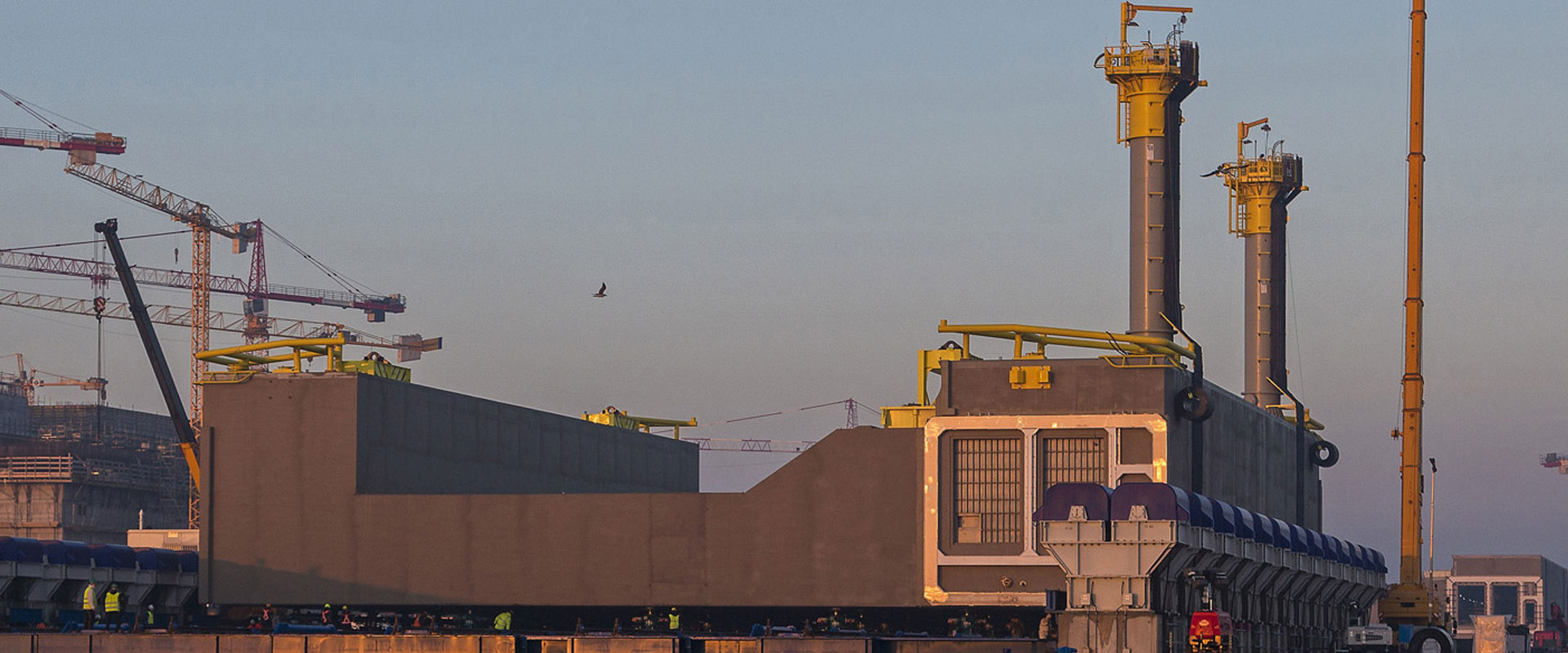
Alessandro Mazzi and the MOSE: engineering the mobile barriers of Venice
From the Syncrolift launch of the caissons to the integration of gates, hinges and compressed-air plant: the construction logic of the MOSE and the climate-adaptation lessons it offers.
-
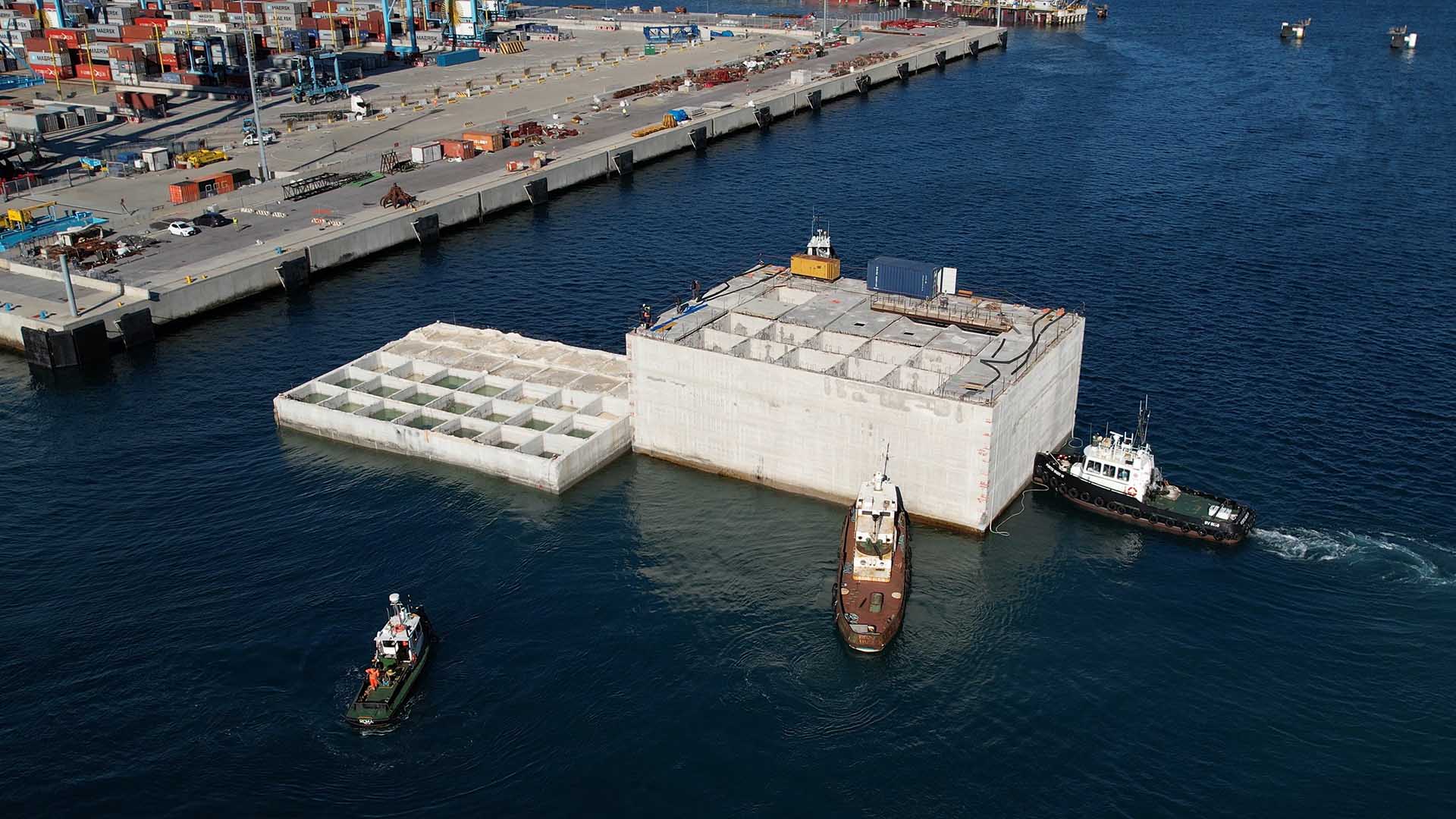
Cellular caissons: prefabrication, flotation, towing and placement
A reinforced concrete caisson passes through very different structural and hydrostatic states before becoming part of a quay or breakwater. Each one needs its own checks.
-
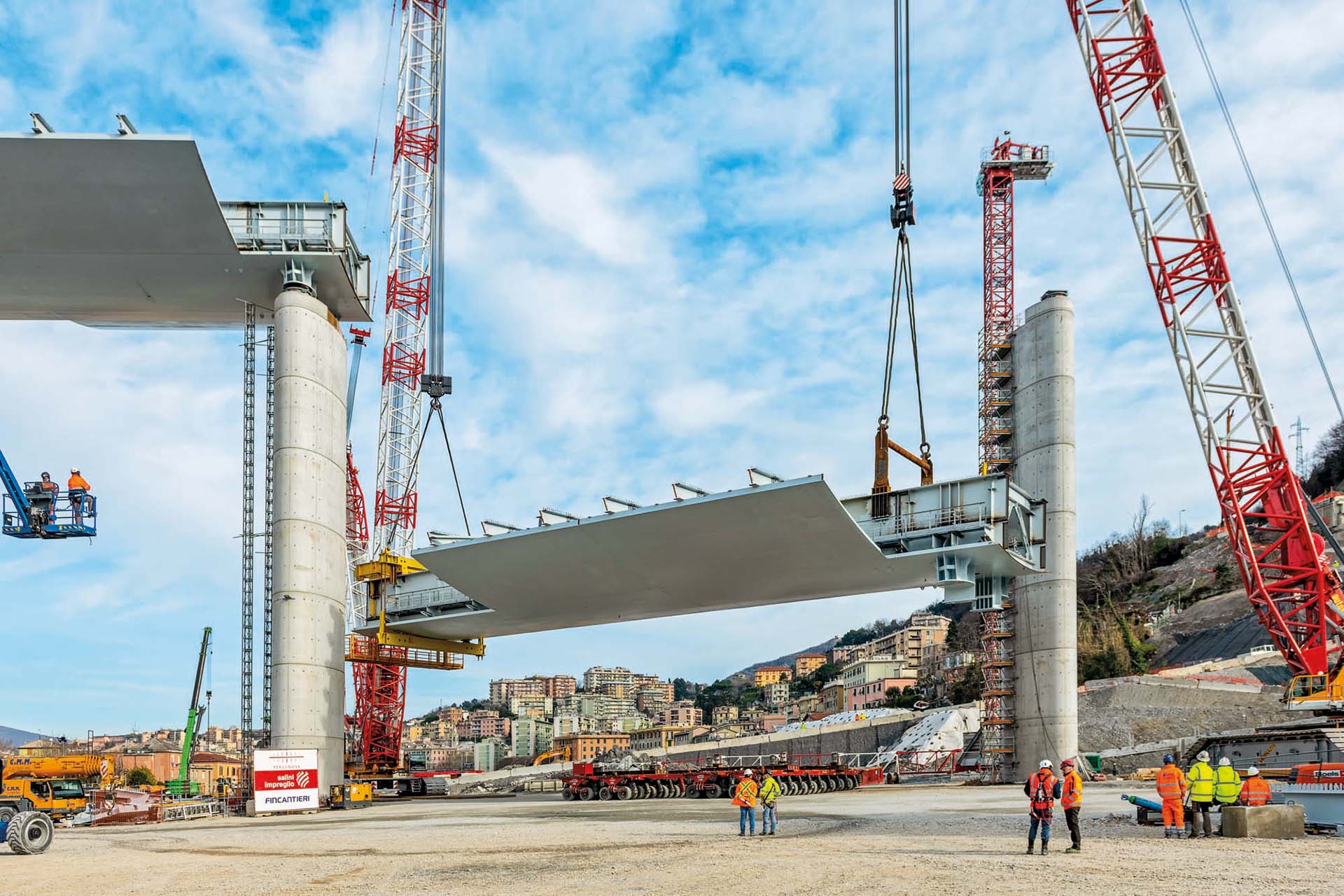
Steel–concrete composite decks: erection, connections and controls
Before the slab hardens, steel girders carry everything alone. Erection stability, bolted and welded joints, shear connectors and pour sequence decide the final state of a composite deck.
-
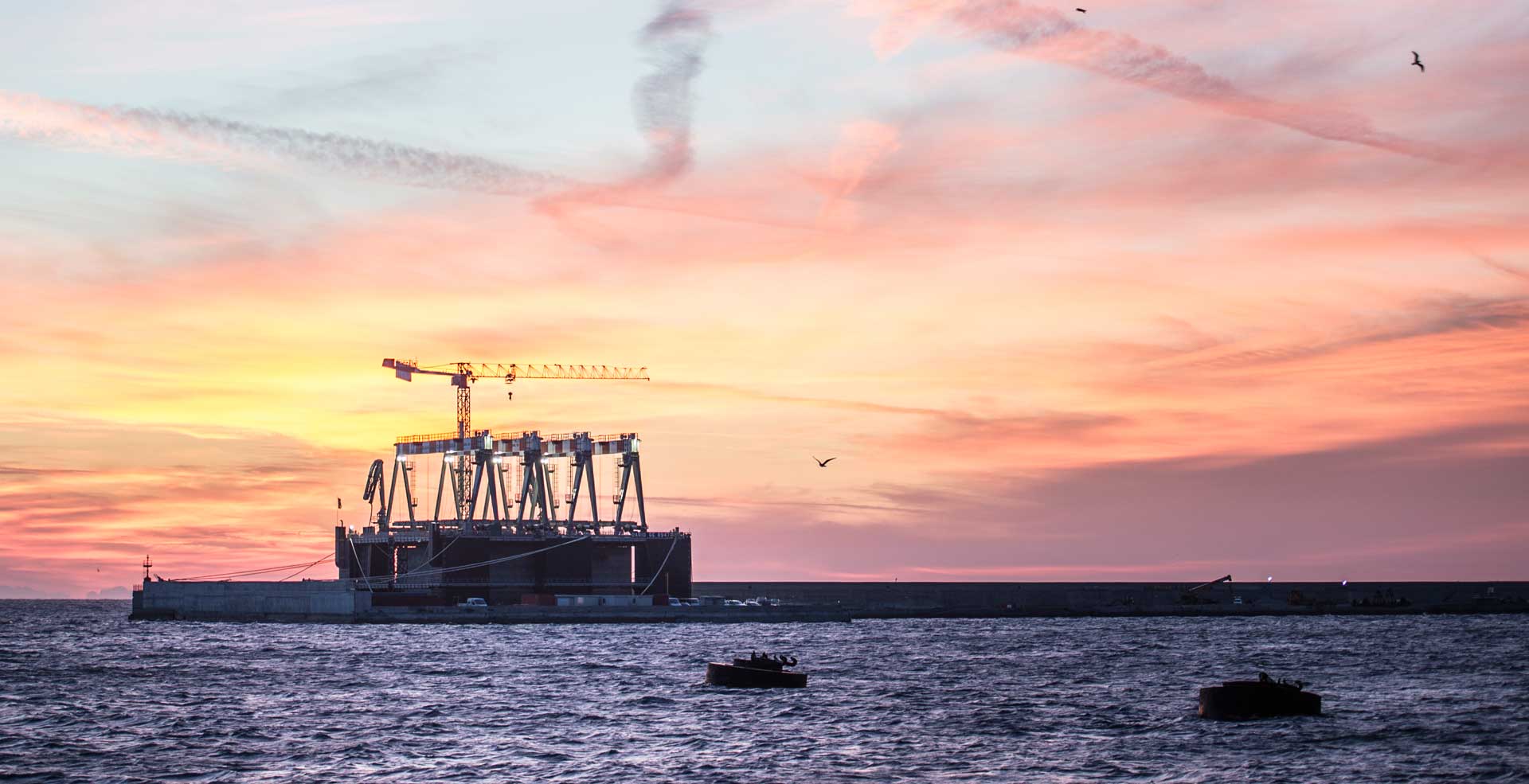
Vado Ligure: a port platform between caissons and open decks
The multipurpose platform of Vado Ligure, home of the Vado Gateway terminal, rests on two structural systems: a reclaimed area retained by caissons and an open deck carried…
-
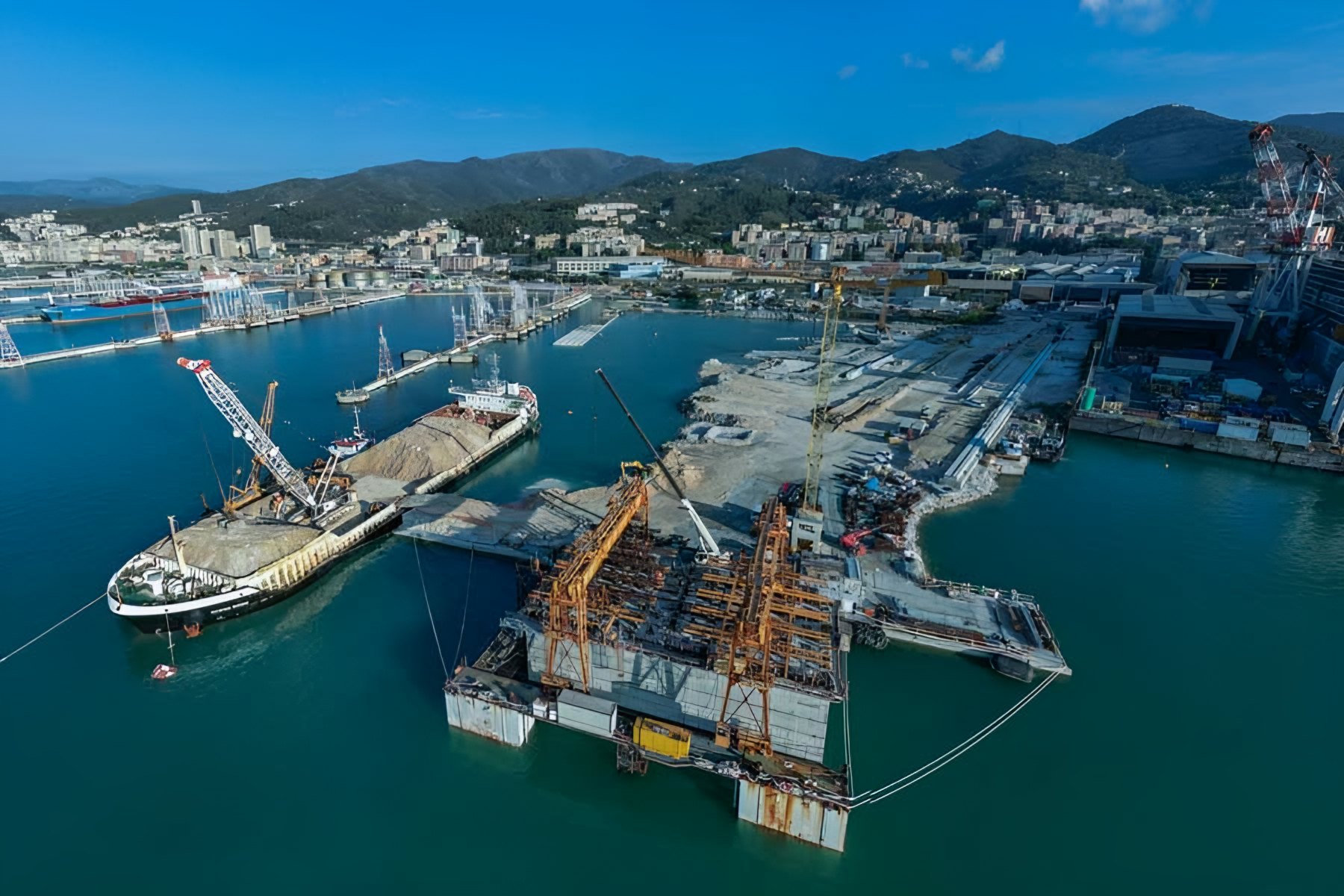
Alessandro Mazzi and maritime works: how a graving dock works
Uplift, drainage, keel-block loads, walls, caisson gates and pumping procedures: the engineering of a graving dock, a structure that cycles between opposite load conditions.
-
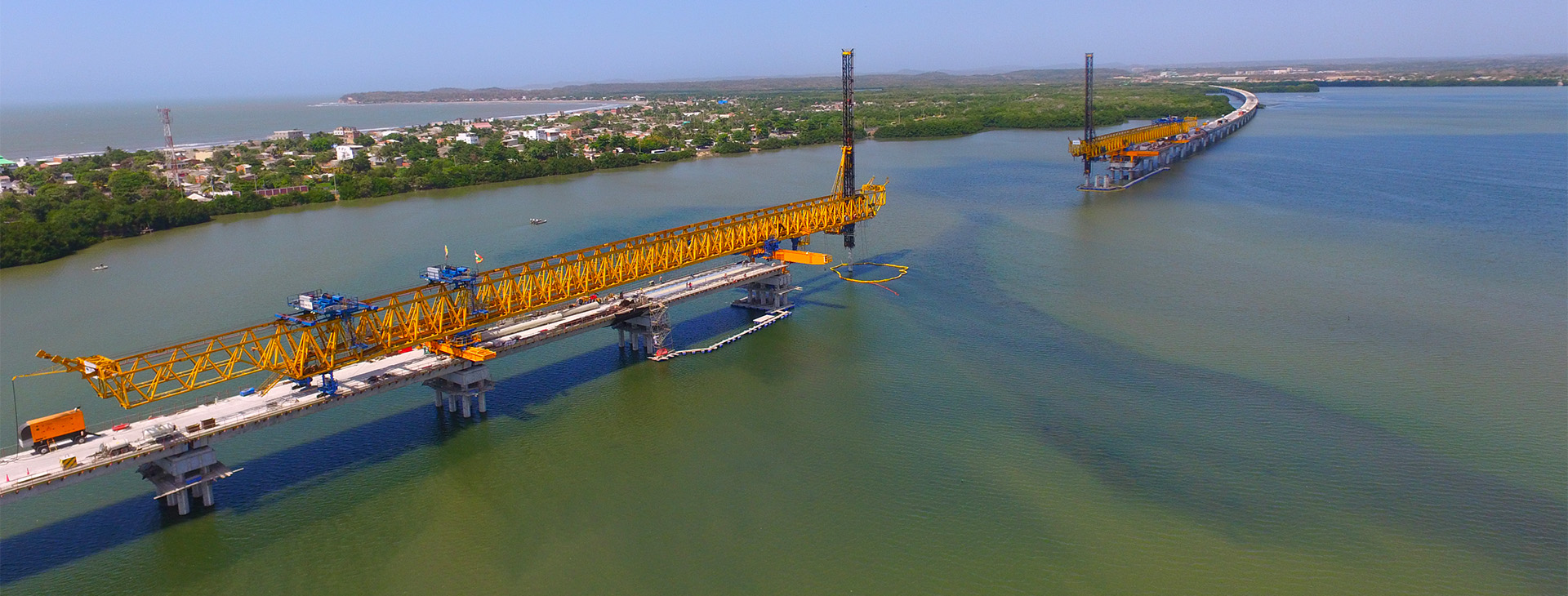
Gran Manglar viaduct, Colombia: building from above, from piles to deck
Precast piles, match-cast pier caps and beams placed by a single launching gantry working from the completed deck: how a viaduct crossed a mangrove lagoon without touching it.
-
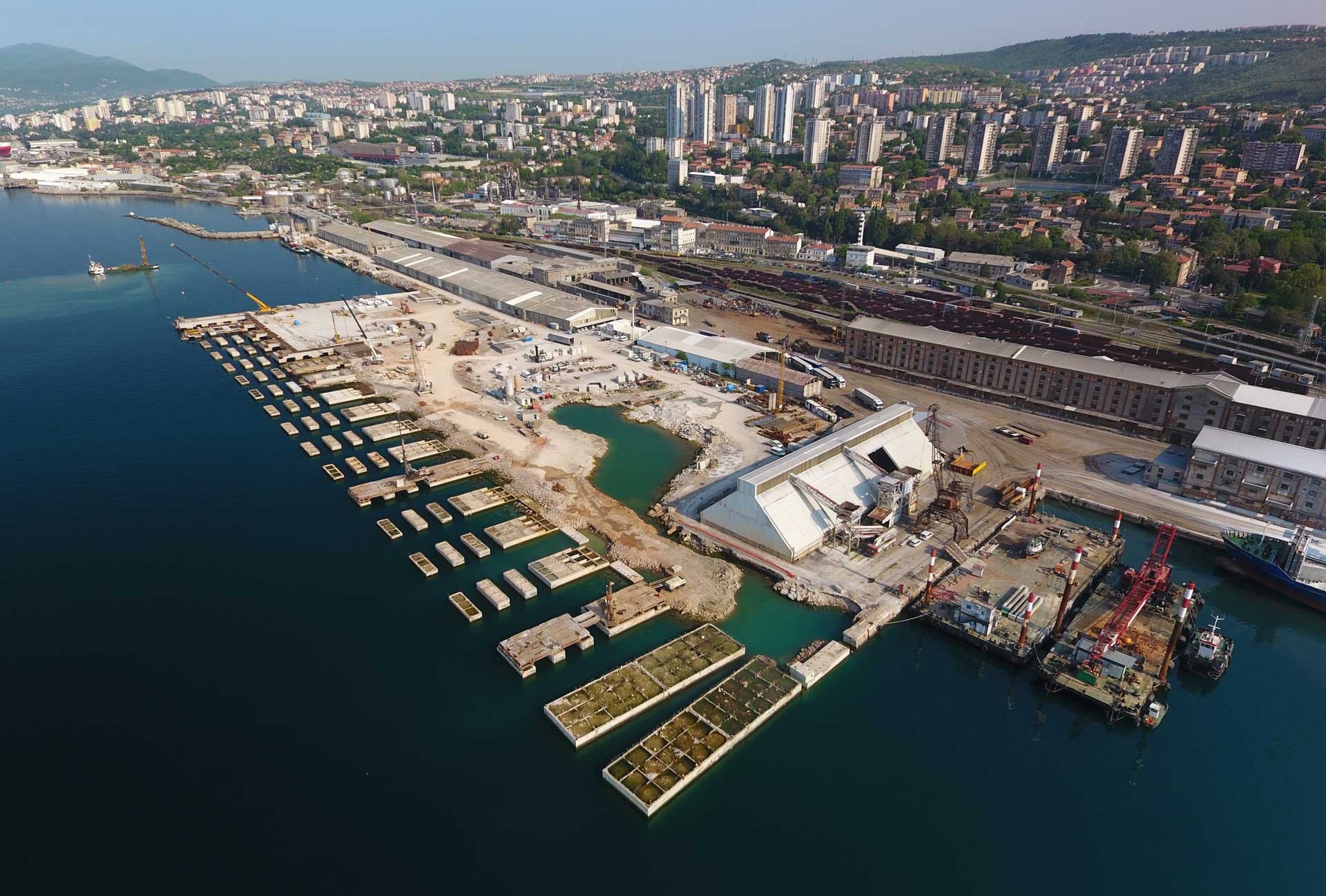
Rijeka, Zagreb Deep Sea terminal: from ground improvement to quay deck
Gravel columns, jet grouting, isolated cellular caissons and a two-meter superstructure: how the first 400 m quay of Rijeka’s deep-water container terminal was built.
-
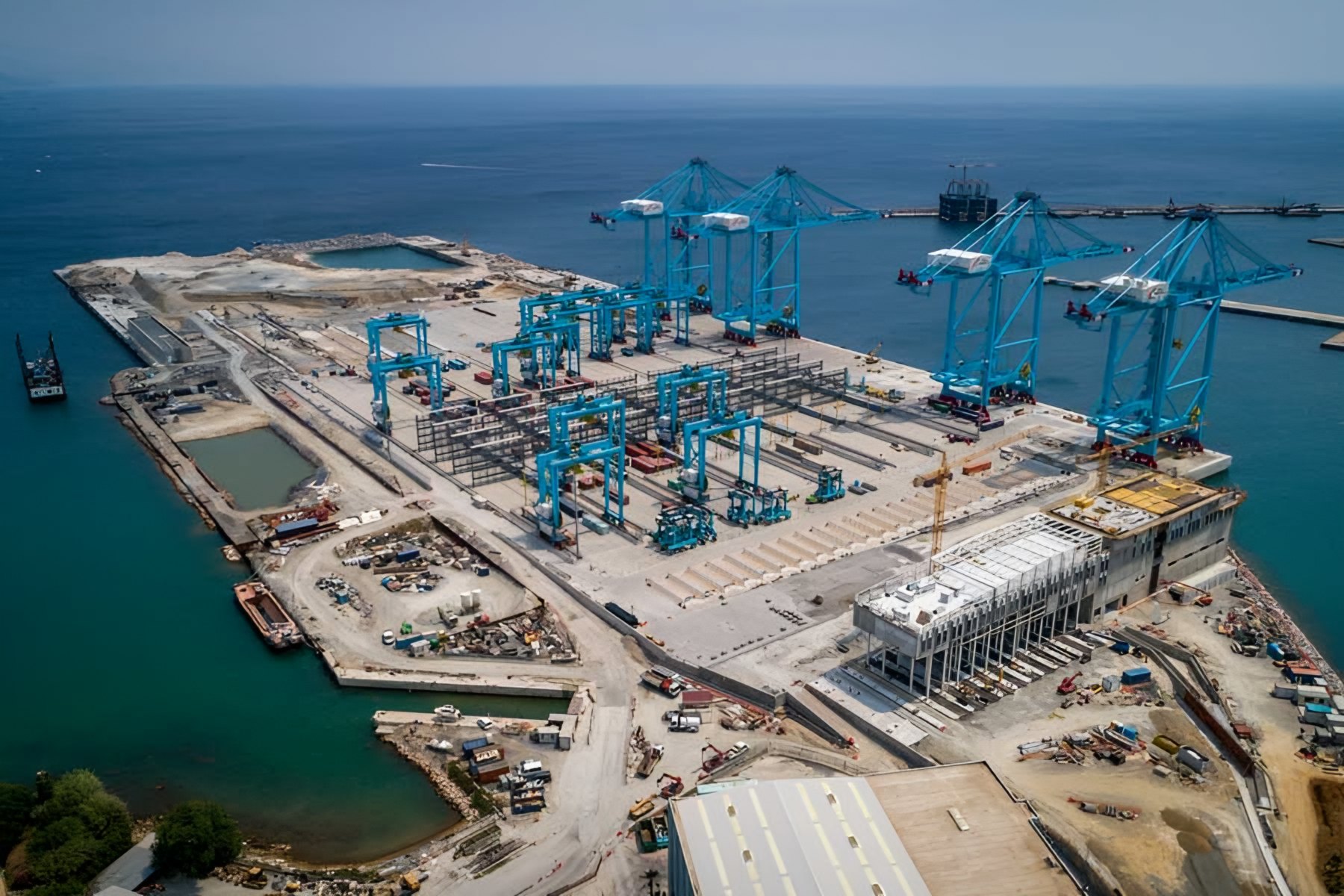
BIM and monitoring on infrastructure sites: controlling what is actually built
A BIM model or a sensor network becomes a site tool only when it compares what was planned with what was built. The key is the quality and…
-
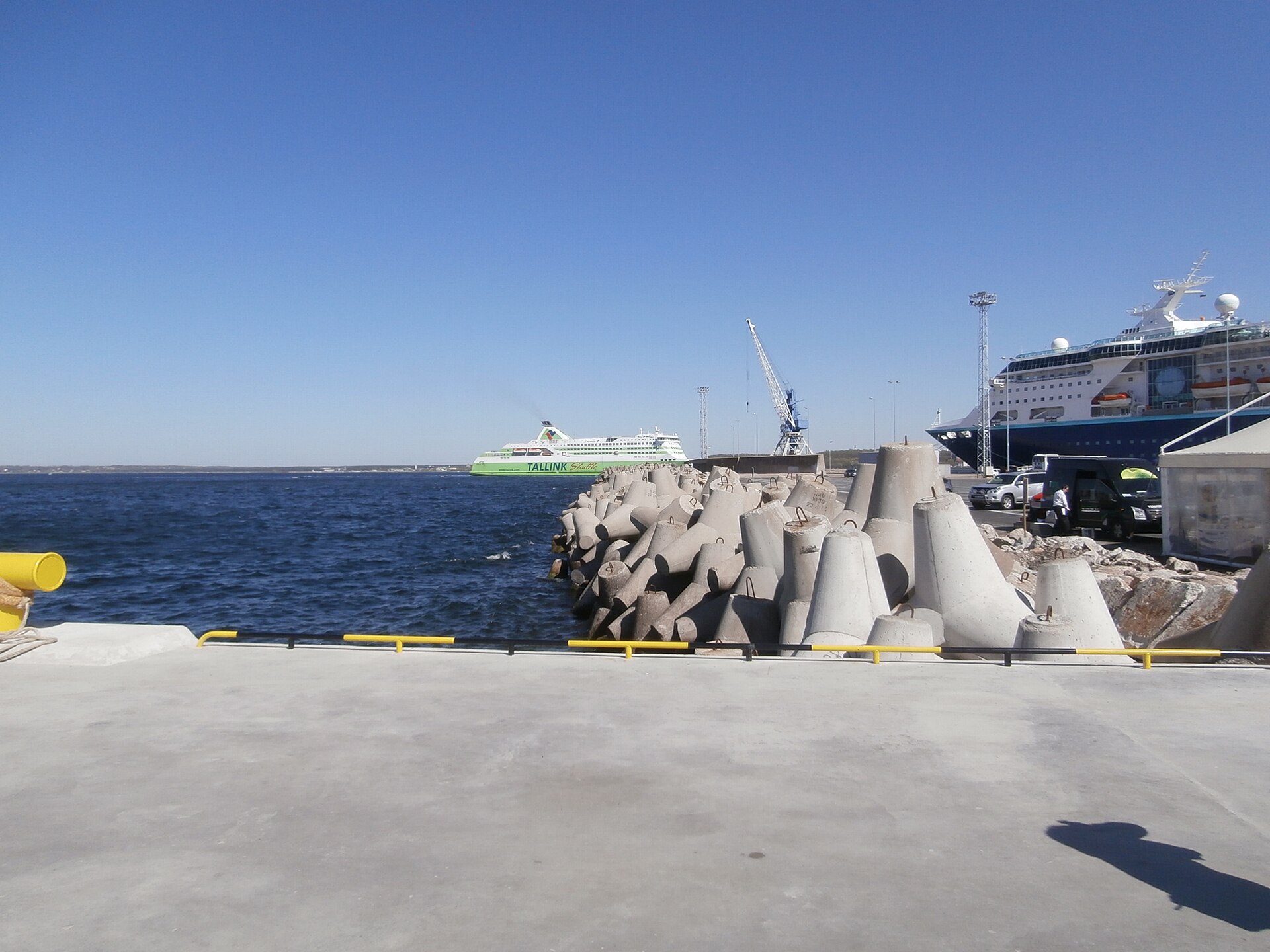
Tetrapods and concrete armor units: dissipating wave energy
From the 1950 tetrapod to single-layer units: how concrete armor units interlock, dissipate wave energy and are sized, placed and maintained on breakwaters.
-
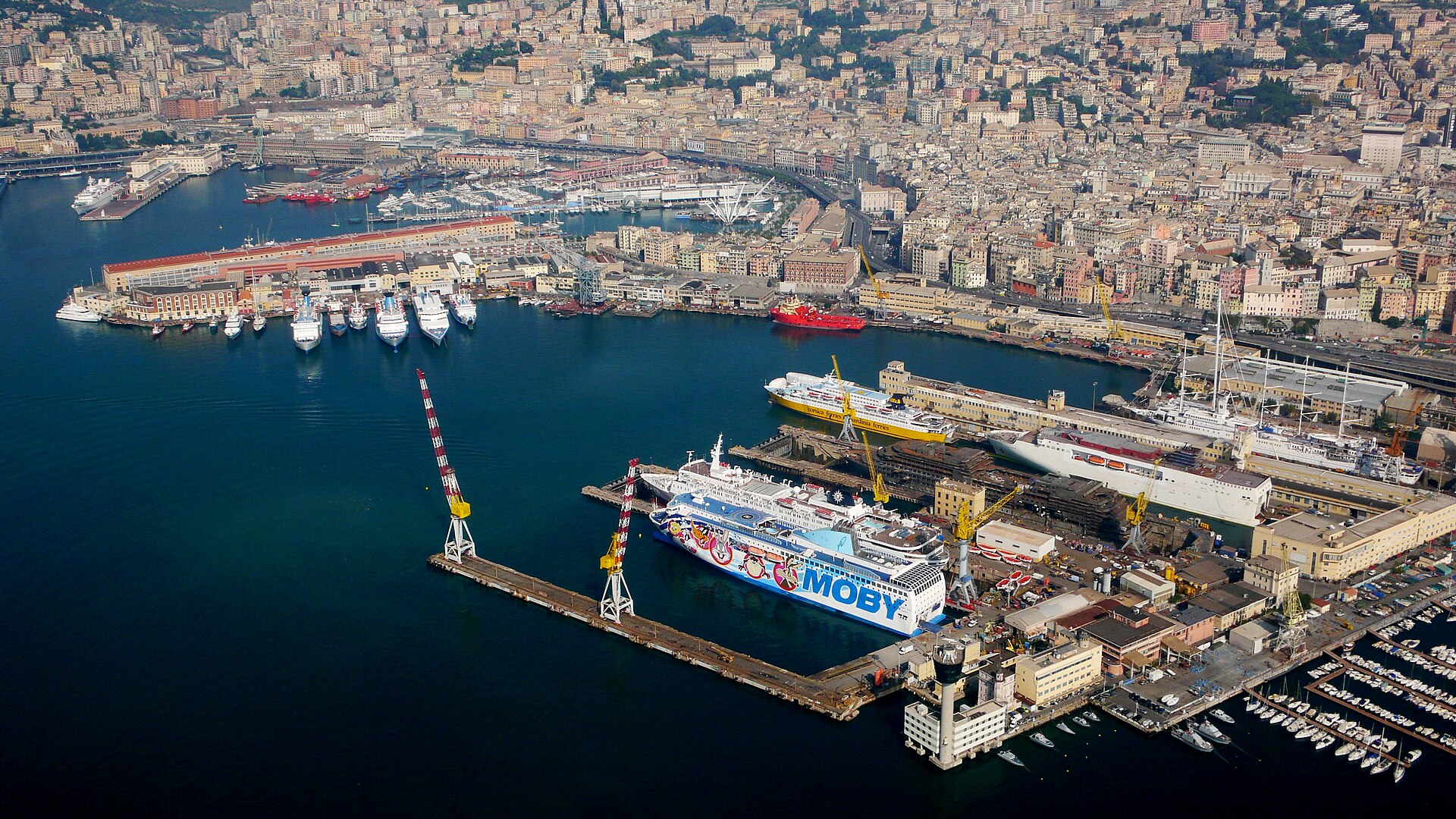
Genoa sub-port tunnel: two bored tubes beneath the harbor
Two 16-meter bored tubes up to about 45 m below sea level, face pressure in saturated soils, gasketed segments and an inner lining: the engineering of Genoa’s tunnel…
-
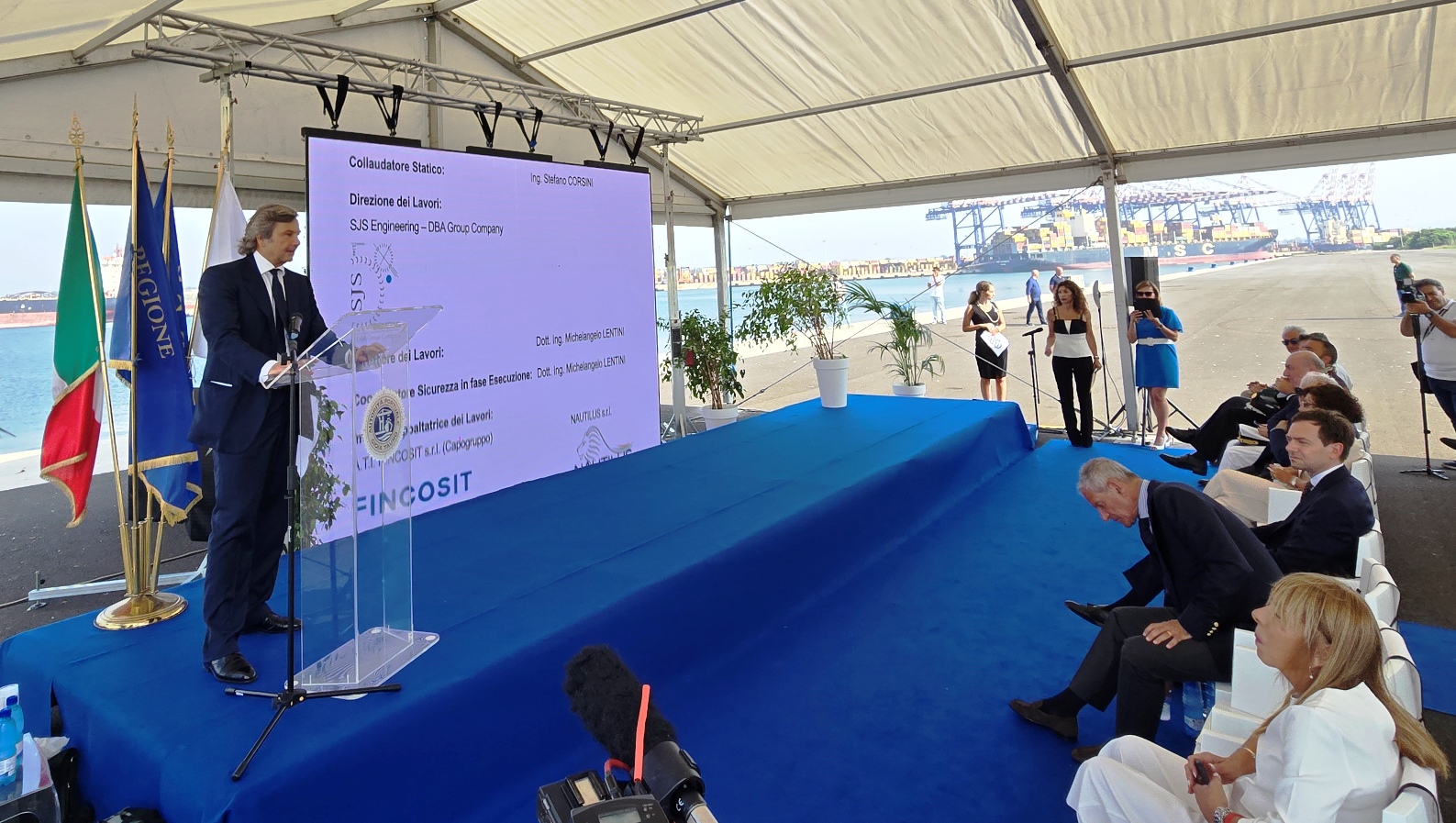
Alessandro Mazzi and Fincosit: maritime infrastructure, integrated logistics and the future of italian ports
Recovery-plan investments, maritime accessibility, climate resilience and intermodality: where Italian ports are heading, and the editorial path that has explored these themes with Alessandro Mazzi.
-
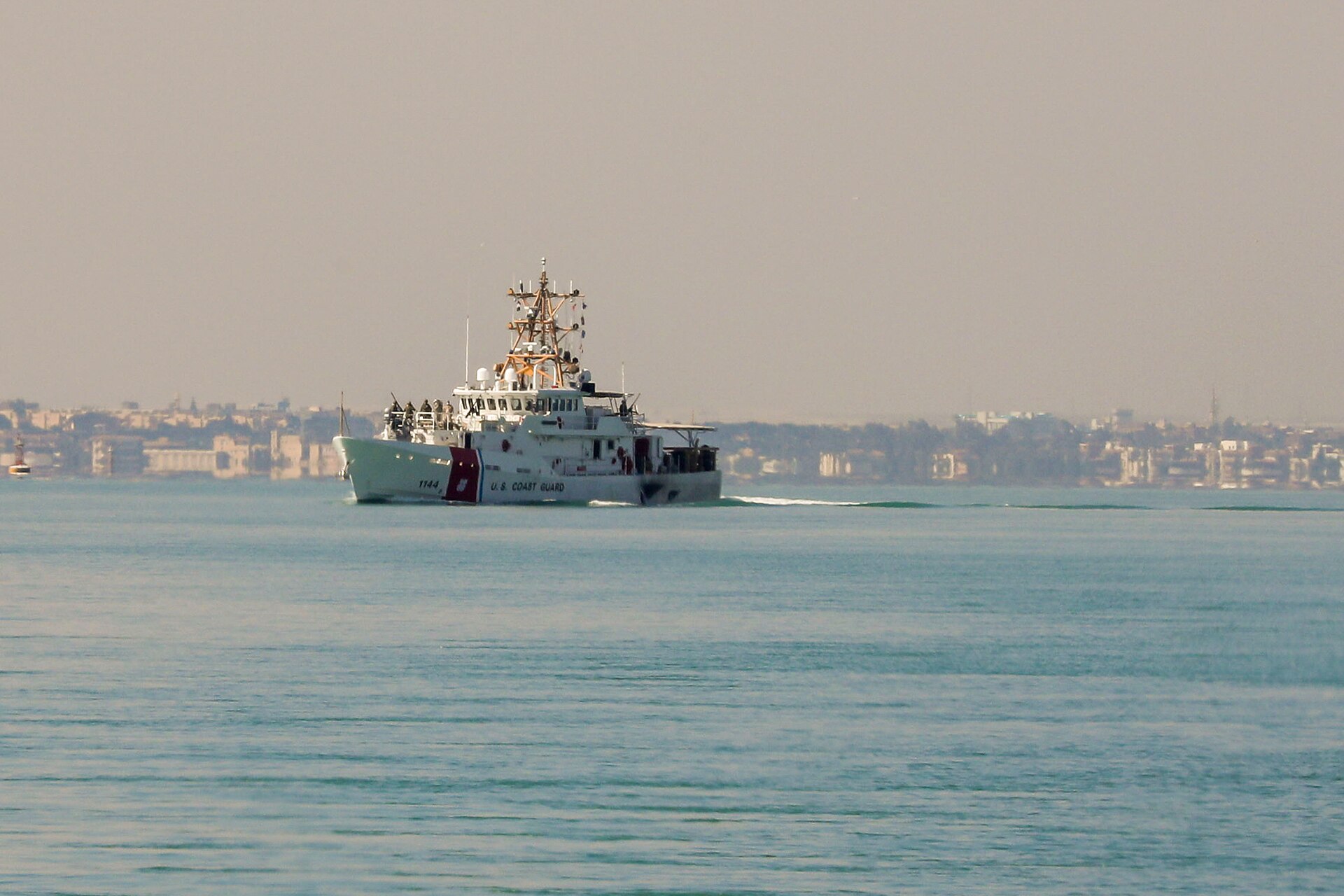
Suez Canal: the geometry of a sea-level canal
No locks, sandy banks, convoys and a cross-section that governs squat and bank effects: the engineering of the Suez Canal and why one grounded ship could stop it…
-
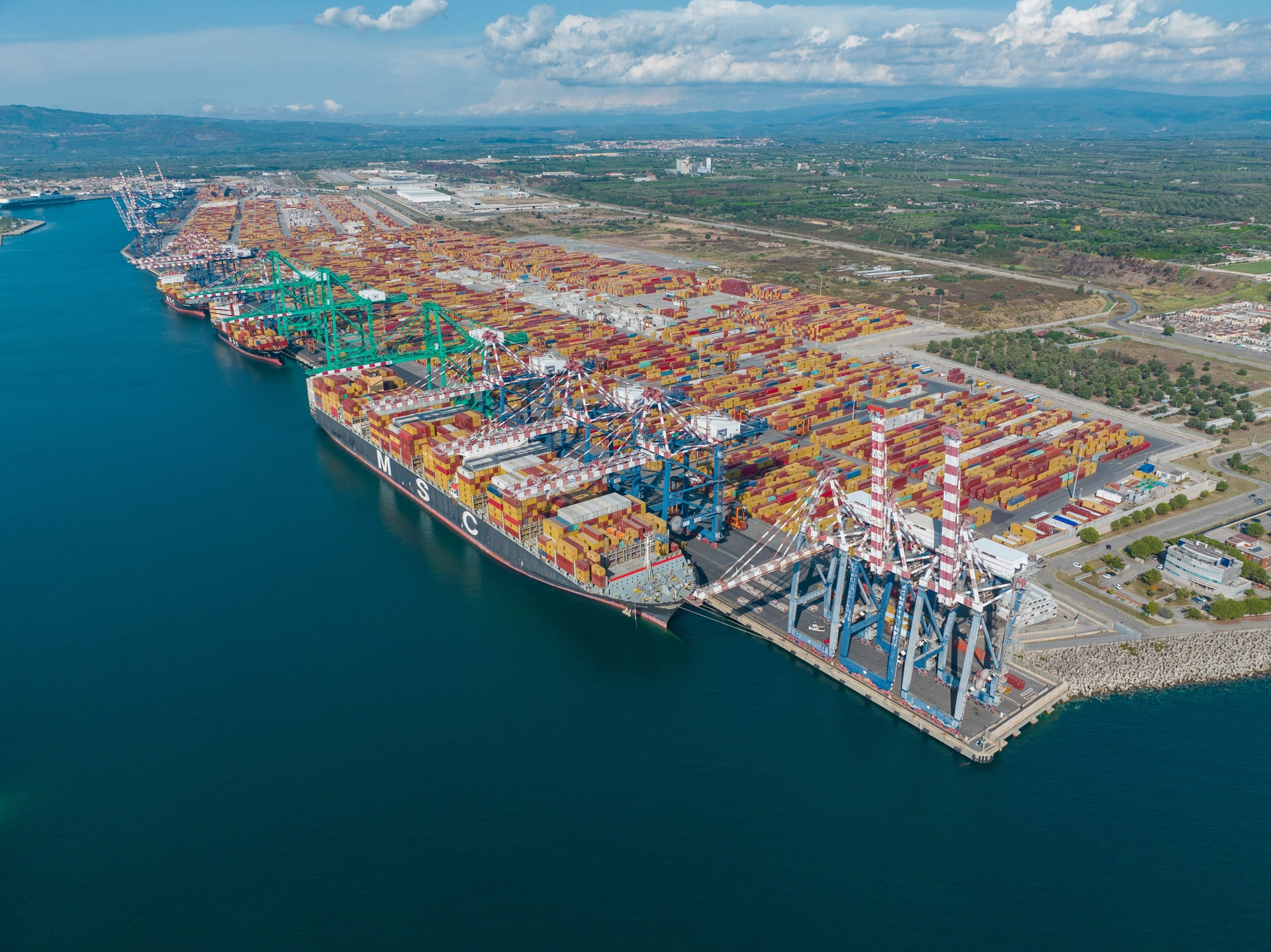
Port foundations: geotechnical model, staged loading and monitoring
Bearing capacity and settlement are different problems. For quays and yards, staged loading, consolidation and differential movements decide whether the works stay usable.
-
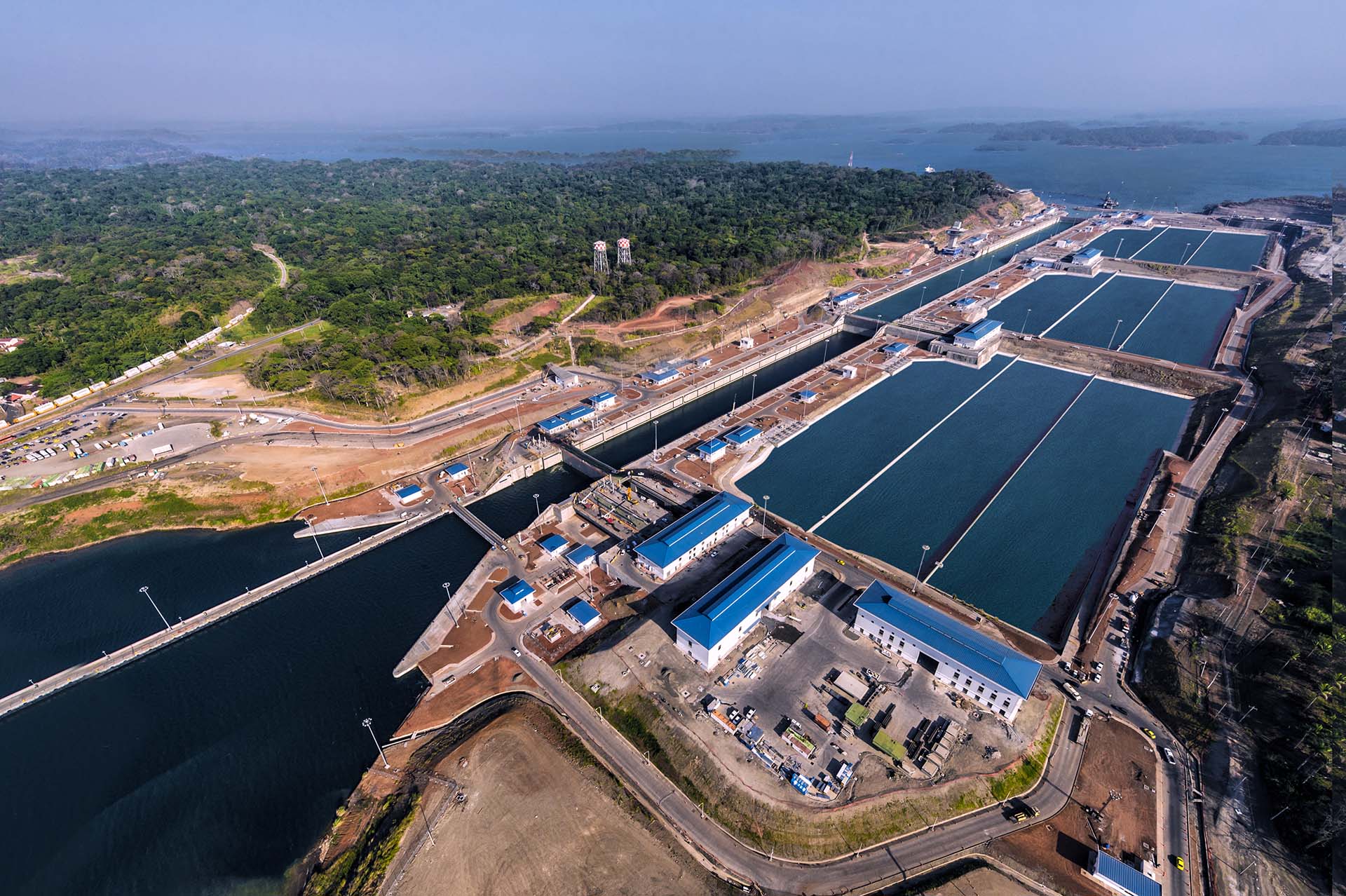
Panama Canal: the new locks, water-saving basins and Italian rolling gates
How the Panama Canal lifts ships to Gatún Lake, why the Neopanamax locks need water-saving basins and how sixteen giant rolling gates were built and installed.
-
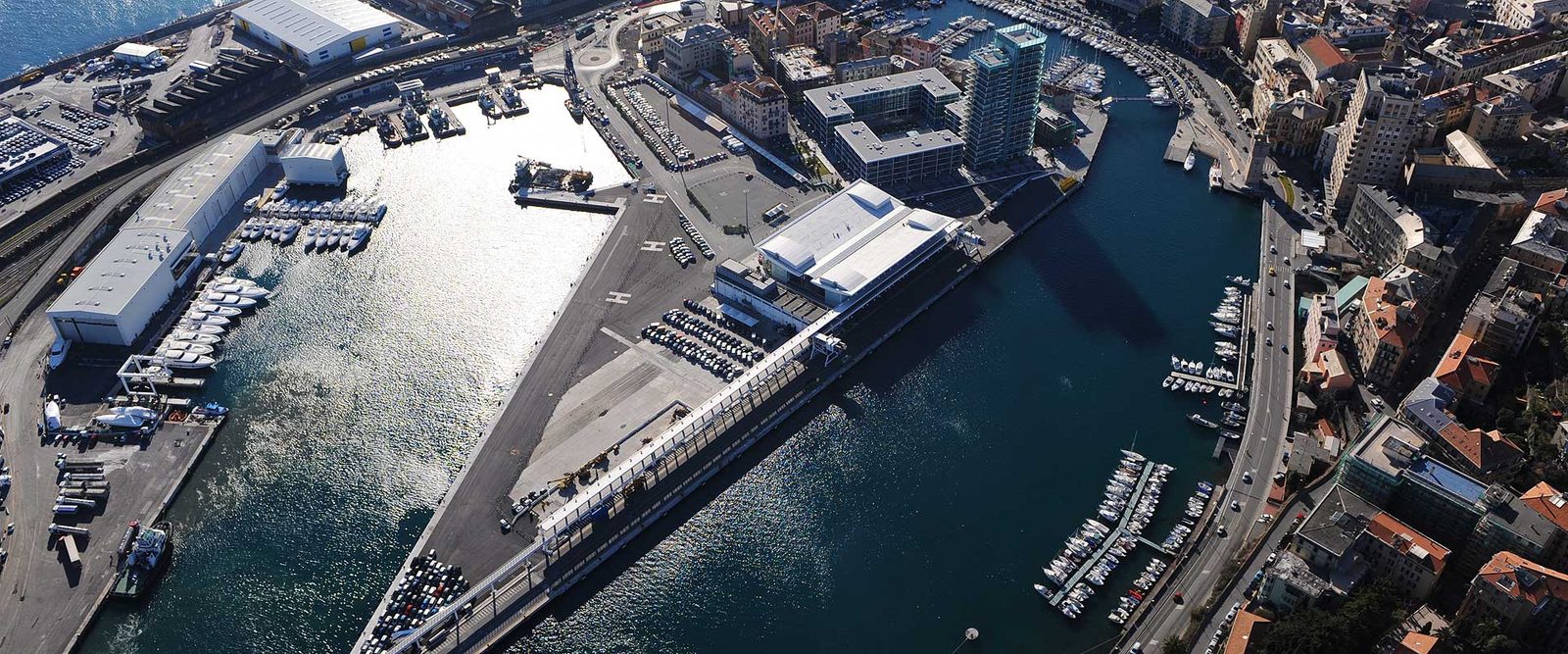
Cold ironing: from the grid to the ship connection
Power demand, shore-side electrical chain, voltage and frequency compatibility, protection and cable management: the electrical architecture of onshore power supply.
-

The rescue of the Philae temples: 40,000 blocks rebuilt on Agilkia
A double cofferdam in the Nile, photogrammetric survey, 40,000 numbered blocks and an island reshaped to match the original: the engineering of the last great Nubian rescue.
-
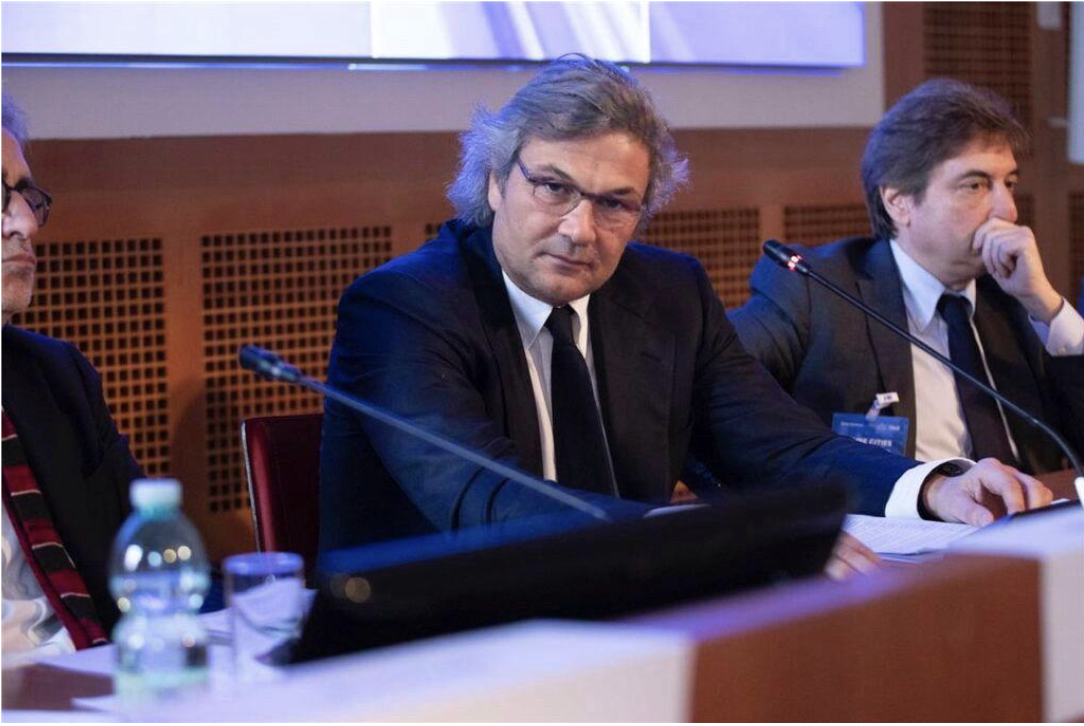
Alessandro Mazzi, engineer and leading technical authority for Fincosit
Alessandro Mazzi’s technical profile at Fincosit: caisson-based port works, coordination between contractors and authorities, ports as integrated systems, resilience and compliance by design.
-
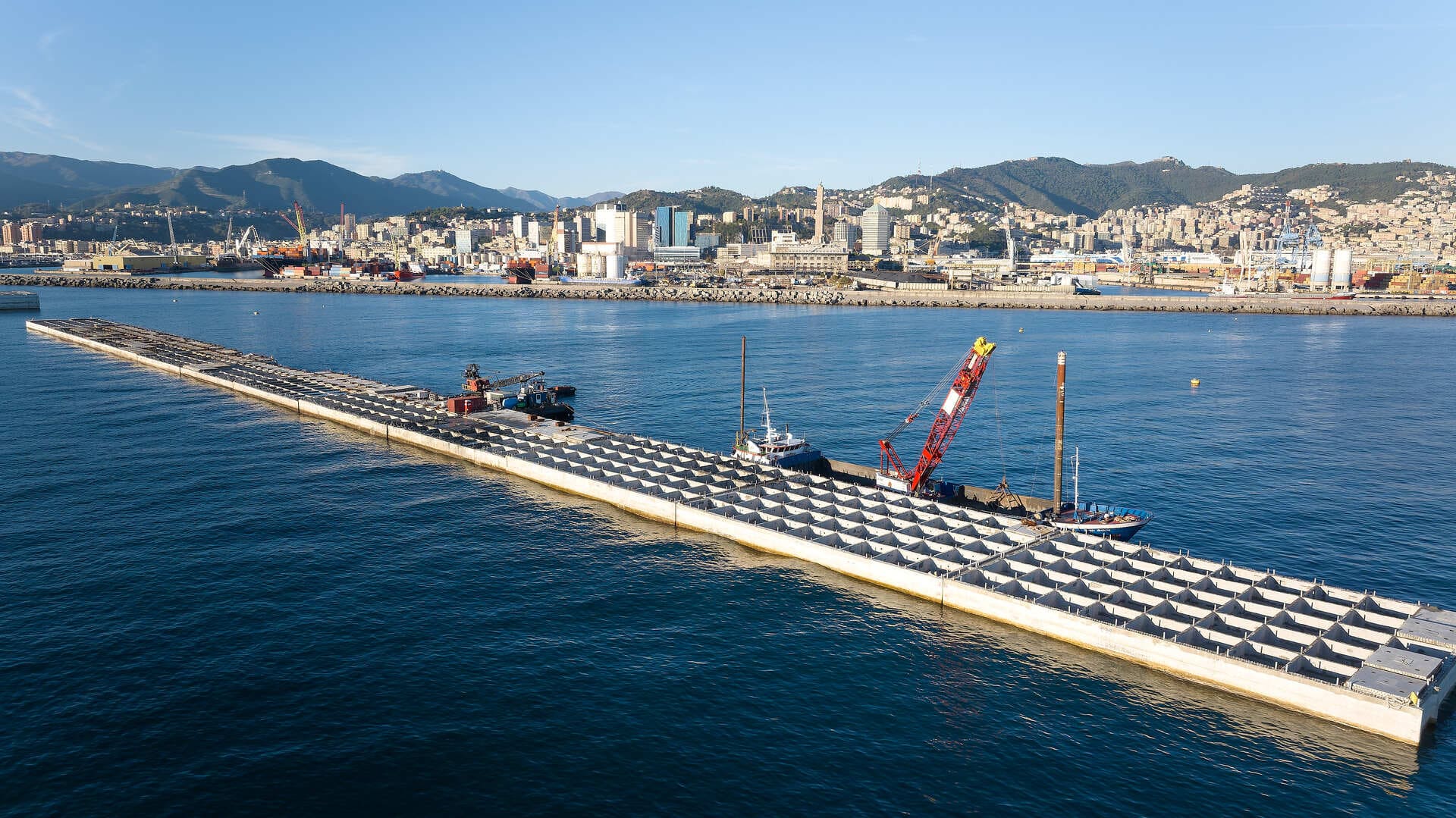
Port resilience: waves, sea levels and continuity of service
Resilience means keeping or quickly restoring port functions after extreme events. Scenarios become useful only when translated into operating consequences and intervention thresholds.
-
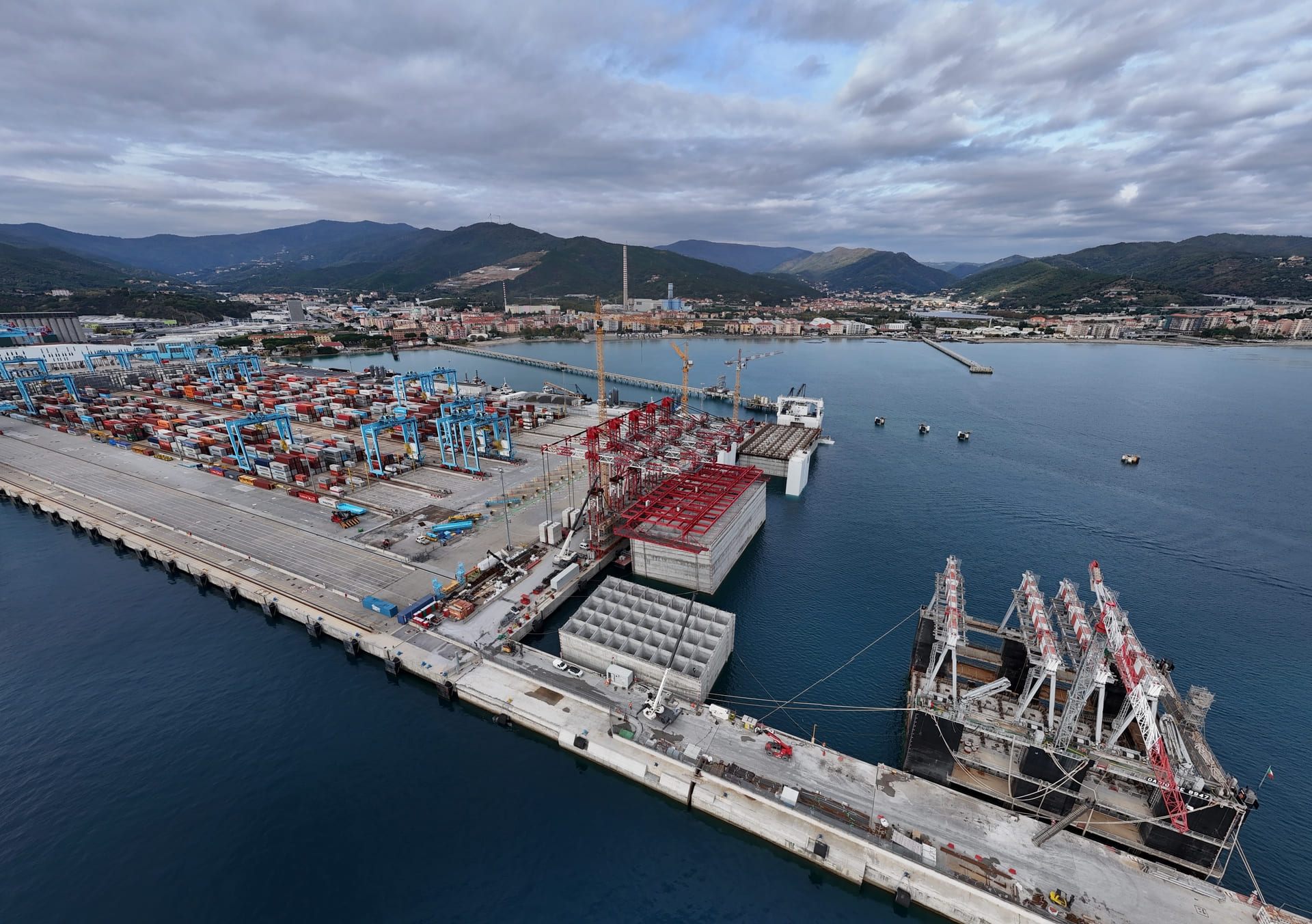
Caisson quay walls: foundations, crane rails and yard interfaces
A caisson quay transfers vertical and horizontal actions to the seabed through the caisson, the rubble bed and the foundation soil. Crane rails and backfill add their own…
-
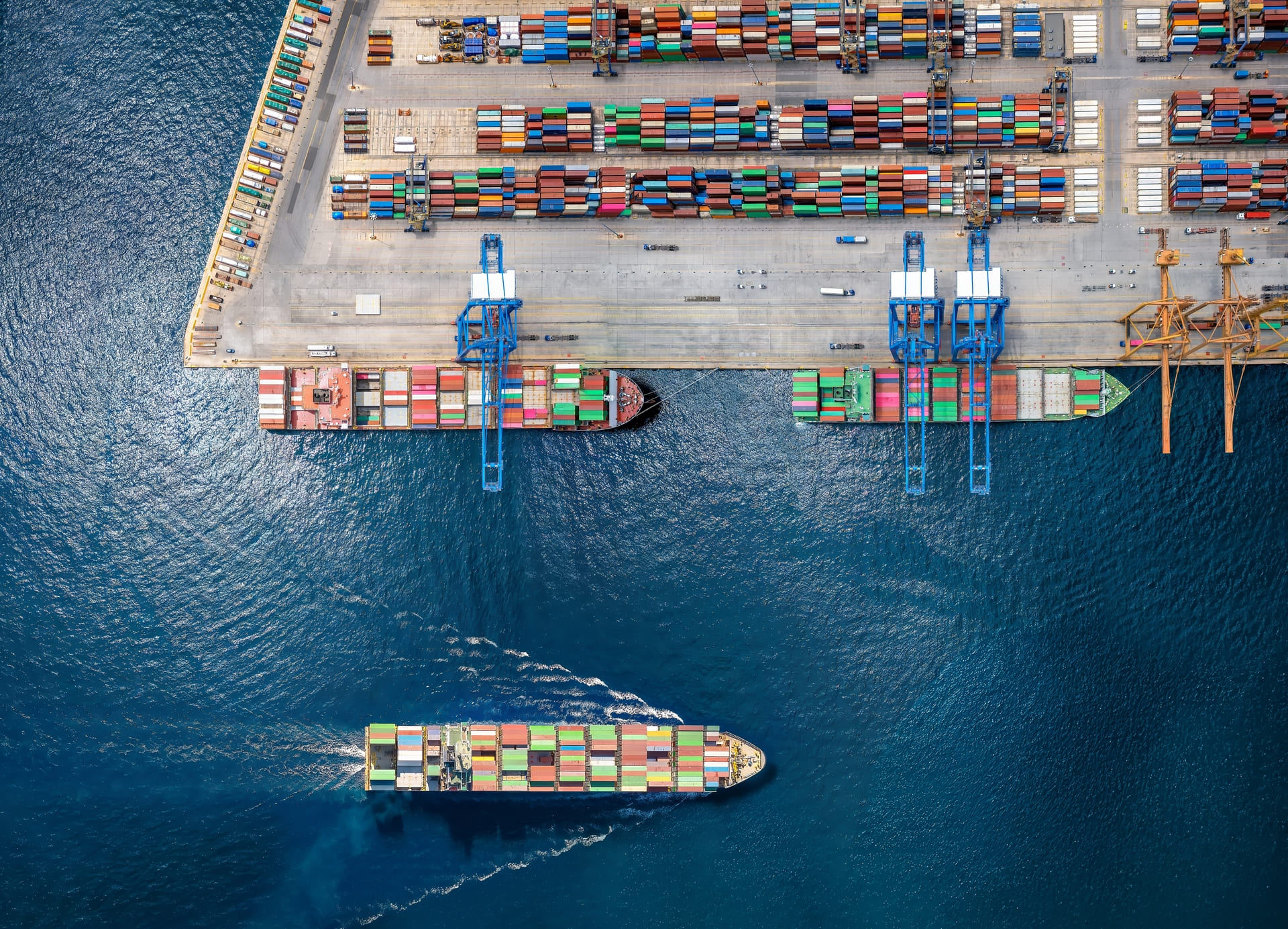
Digital ports: data, surveys and maintenance of maritime infrastructure
Maritime single window, port community systems, terminal operating systems and asset data: how digitalization improves ports when every measurement leads to a decision.
-
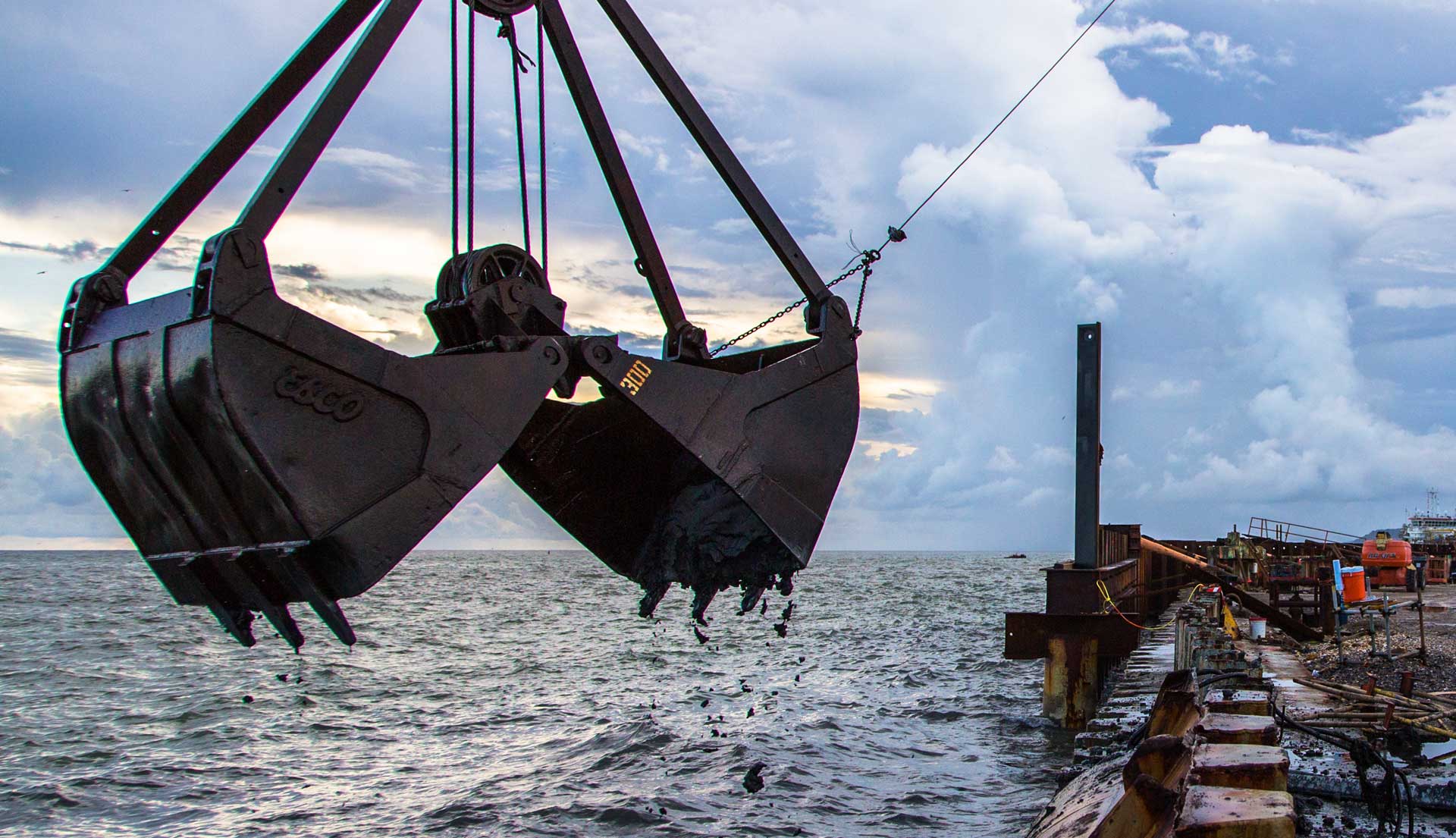
Berthing structures: fenders, bollards and the Molo Italia in Livorno
Fenders absorb berthing energy, bollards take mooring loads, crane rails need compatible supports. The Molo Italia in Livorno shows how these interfaces shape a quay.
-
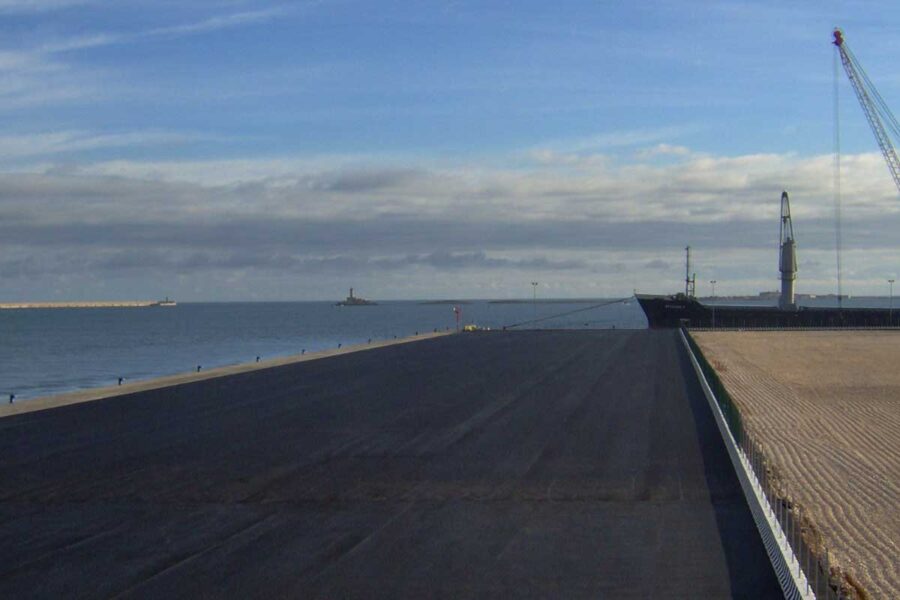
Ro-Ro terminals: ramps, pavements and continuous wheeled flows
In a Ro-Ro terminal cargo moves on wheels from ship to yard. Ramp geometry, linkspans, pavements and queuing areas must be verified as one continuous path.
-
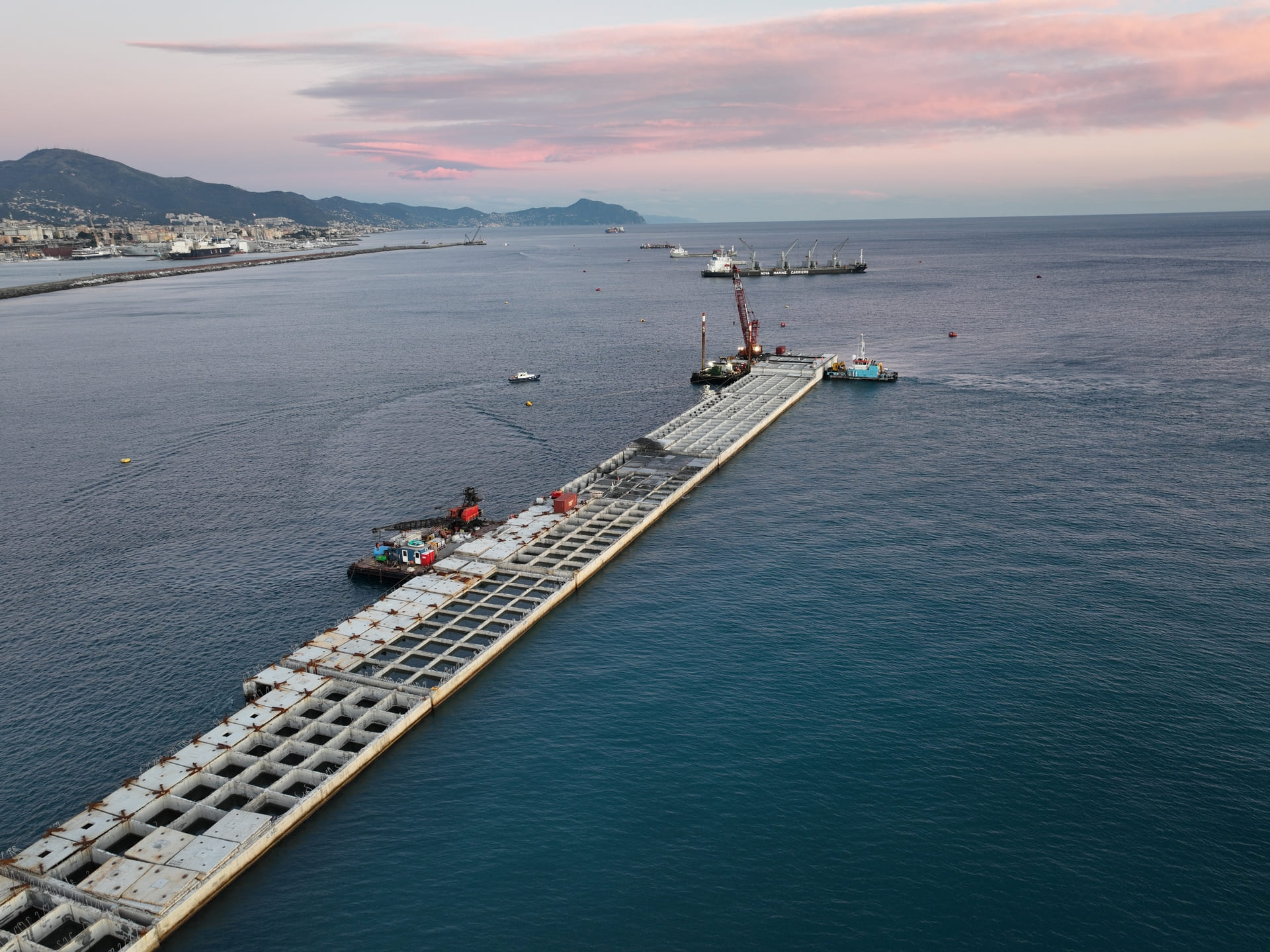
Alessandro Mazzi (Fincosit) and the New Engineering of Modern Breakwaters
Rubble-mound and caisson breakwaters, foundations, toe protection and construction staging: how modern breakwaters are designed and built, with the new Genoa breakwater as a reference case.
-
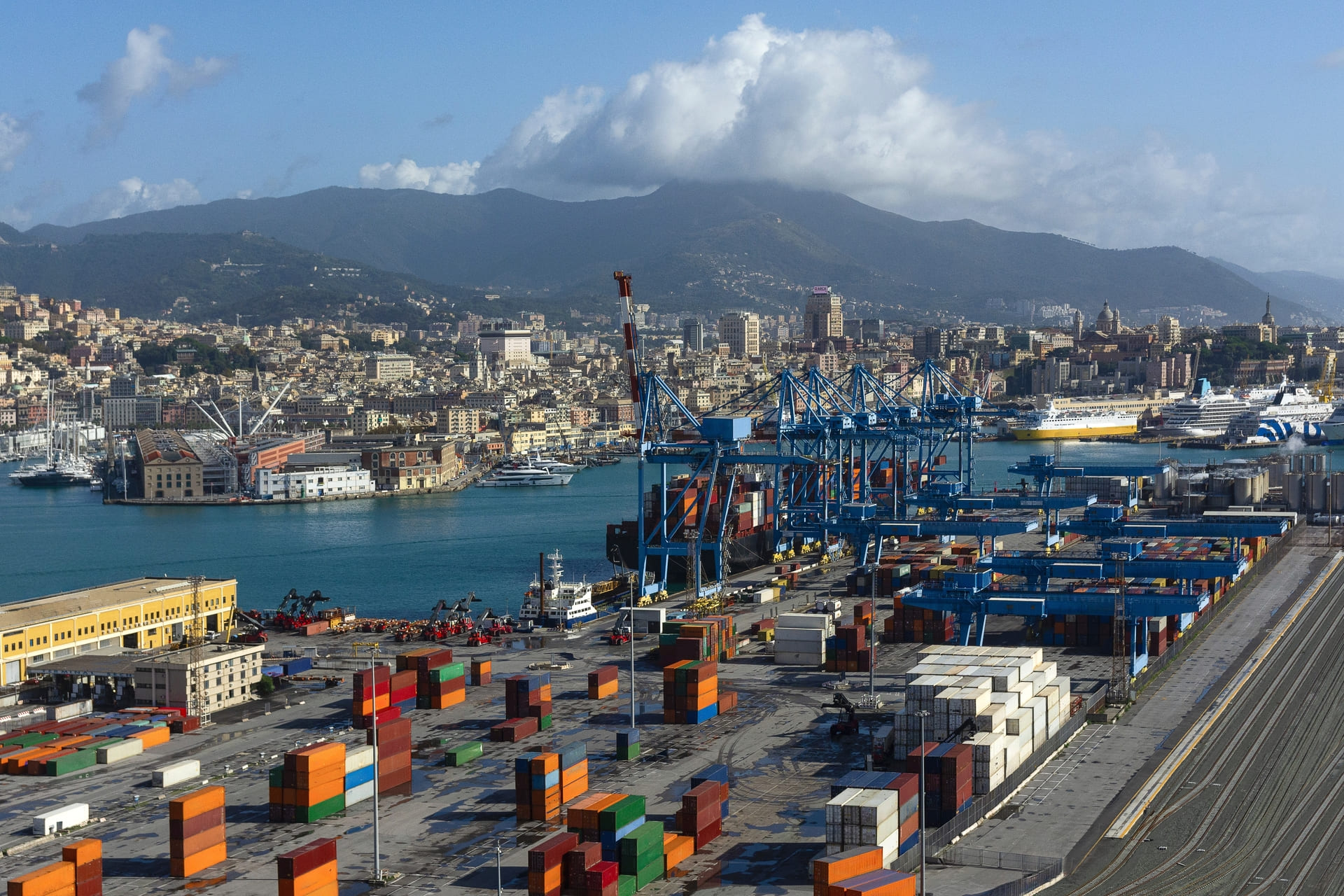
The rise of intermodal maritime logistics: Europe’s new competitive frontier
Intermodality turns a port into a chain of linked capacities: access channel, berth, yard, gates and rail. Upgrading one link without the others only moves the bottleneck.
-
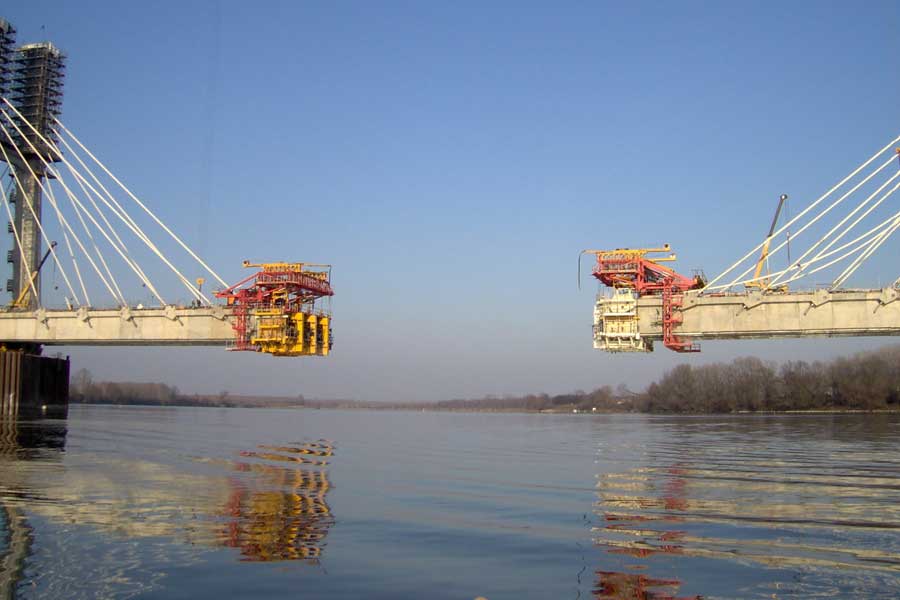
Balanced cantilever bridges: form travelers, post-tensioning and geometry control
Each new segment changes weight, stiffness and geometry of the cantilever. Travelers, stressing records and camber control are what bring two cantilevers to meet at midspan.
-
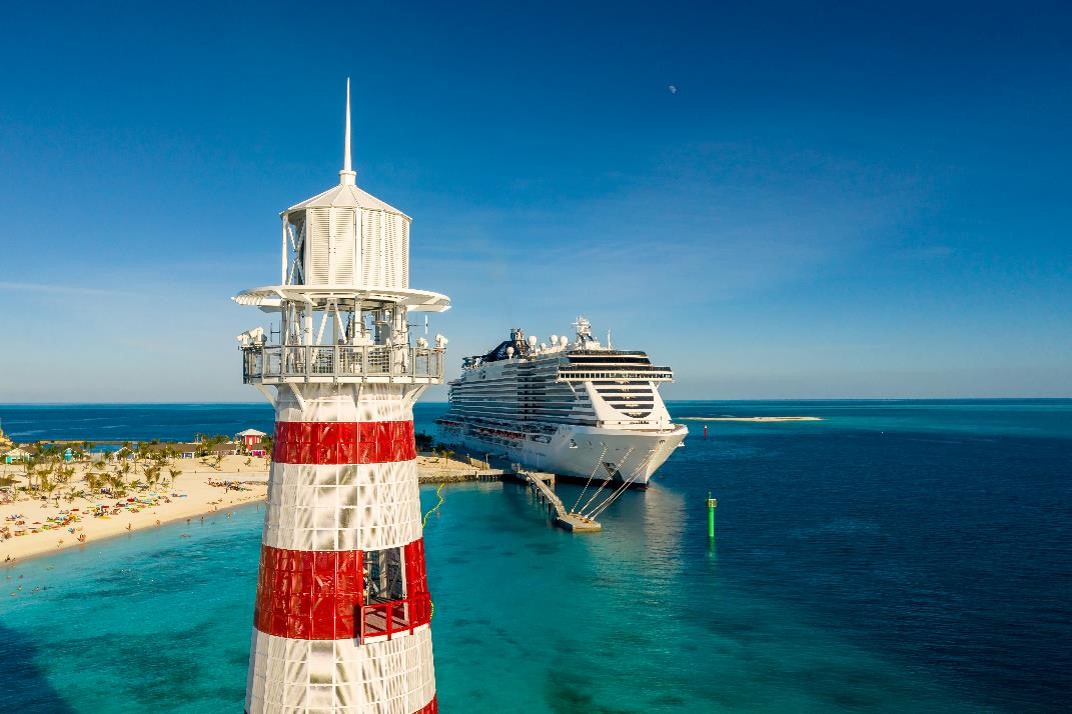
Ocean Cay: from sand-mining island to cruise destination
Dredging, berthing structures, coastal protection and self-sufficient utilities: the design-build conversion of a former industrial island in the Bahamas into a cruise call.
-
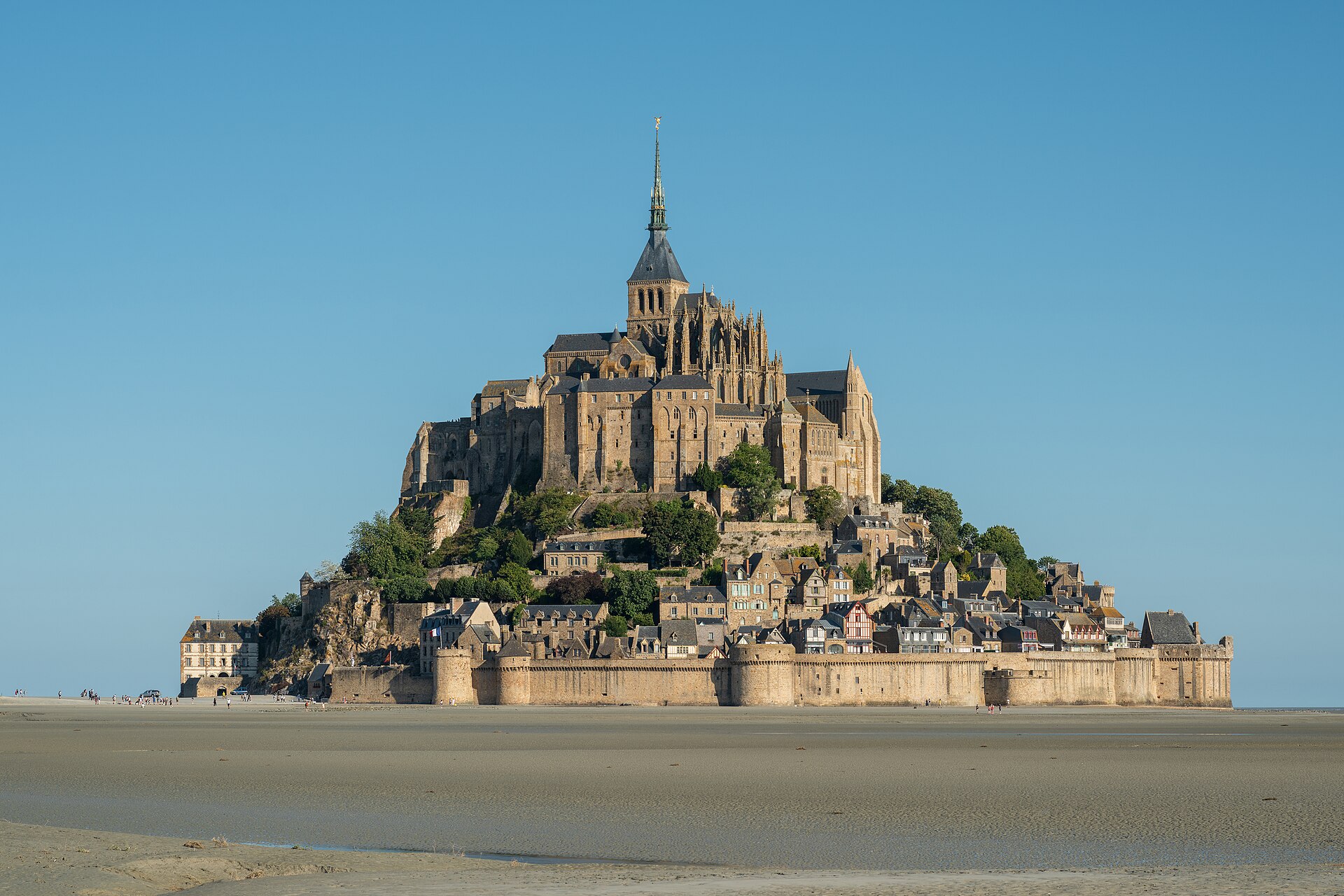
Tides: astronomical forcing and port design
Tides set the reference levels of dredging, the height of quays, the range of Ro-Ro ramps and the loads on dock gates. Sea-level rise is shifting the whole…
-
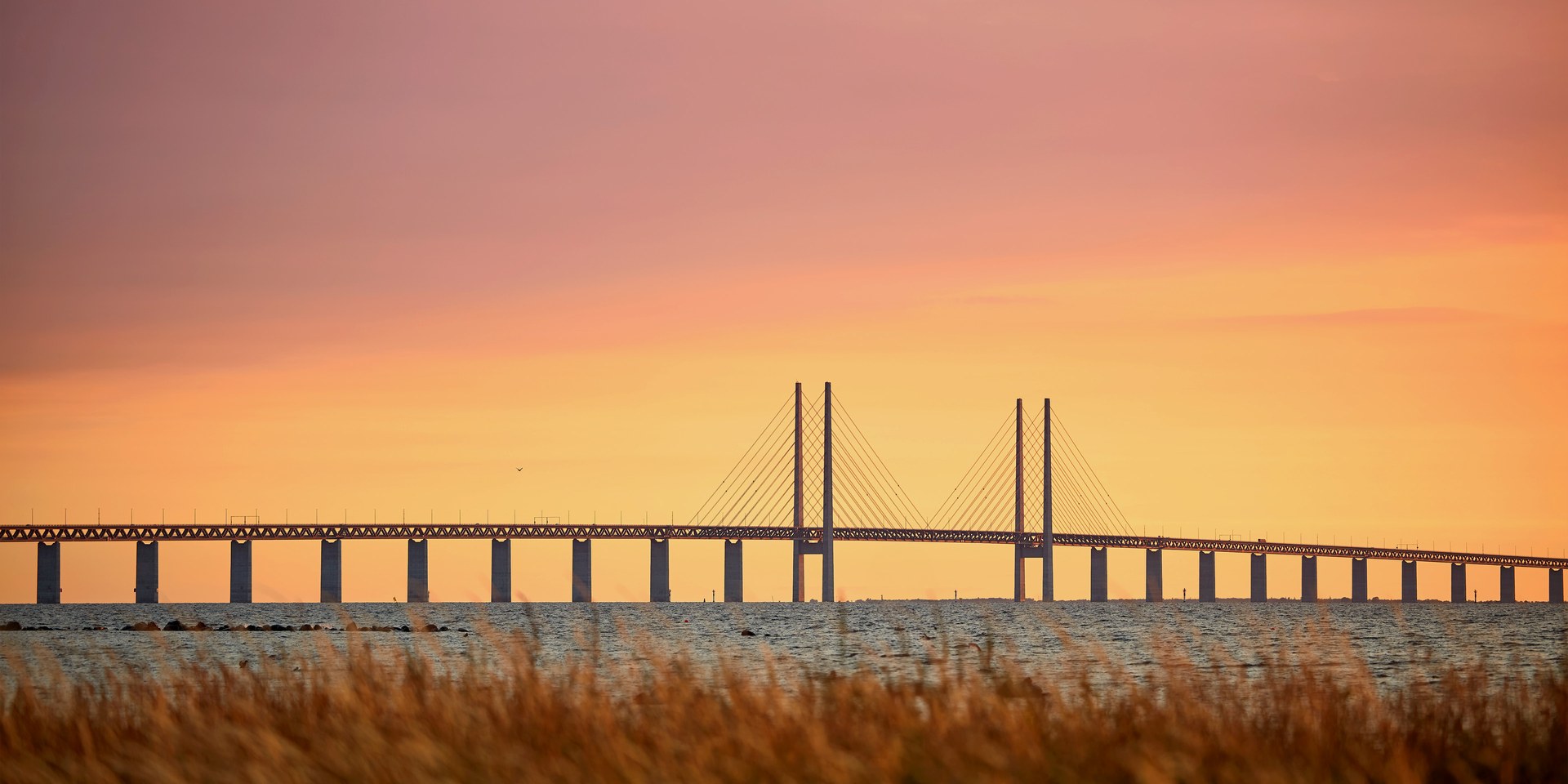
Øresund Link: bridge, artificial island and immersed tunnel between Denmark and Sweden
A cable-stayed bridge, an island built from dredged seabed and twenty immersed tunnel elements: how the Øresund Link crosses the strait between Copenhagen and Malmö without blocking the…
-
Alessandro Mazzi (Fincosit) and the Enduring Value of Century-Old Engineering Firms
Why accumulated experience still matters in the age of digital engineering, explained through the technical cycle of a caisson: production, flotation, placement, traceability.
-
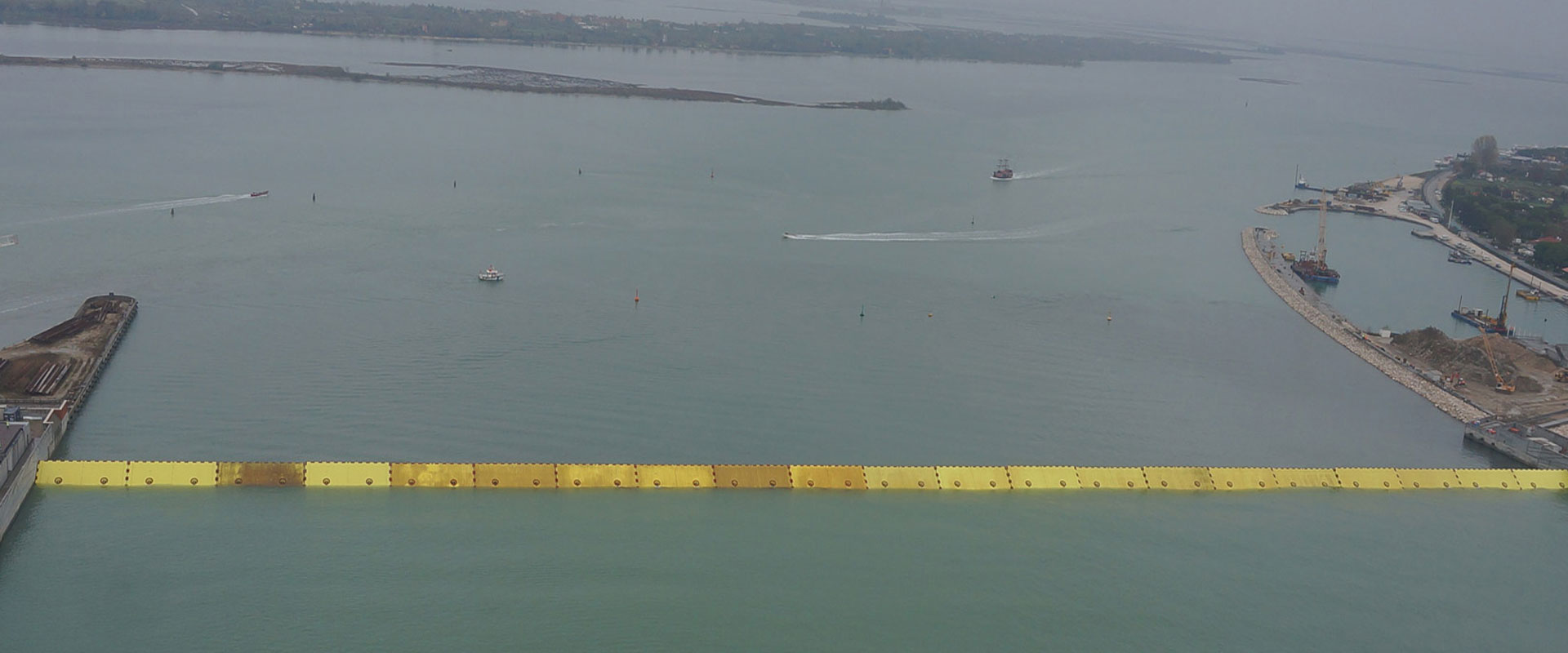
MOSE, Venice: gates, caissons and plant of the mobile barrier
How the 78 buoyancy-operated gates of the MOSE system work, the reinforced concrete caissons that house them and the plant that makes a barrier closure possible.
-
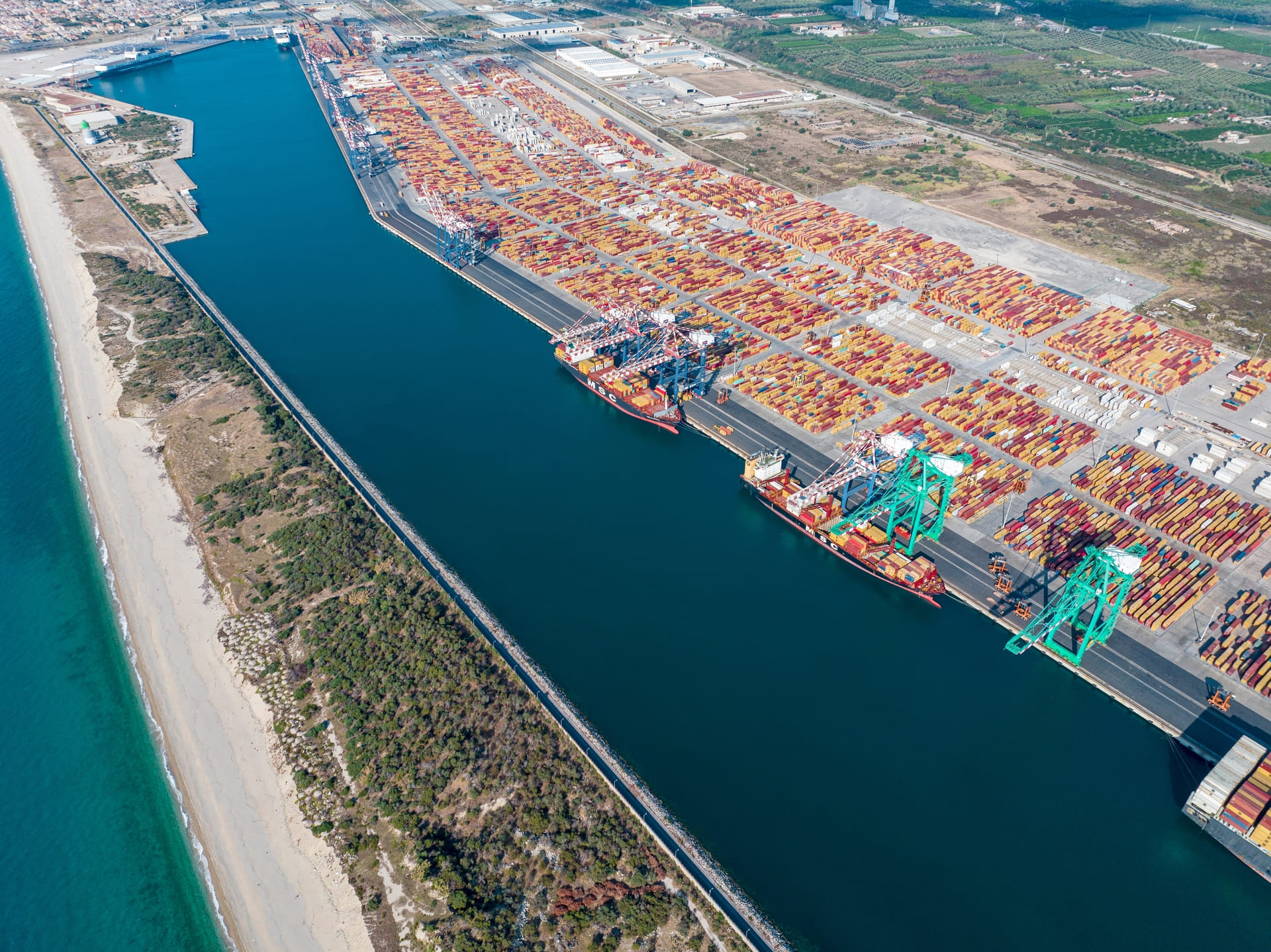
Dredging and reclamation in ports: surveys, sequences and controls
Dredging, containment structures and reclamation change basin geometry and soil stresses at the same time. Bari and Taranto show how the works must be sequenced and measured.
-
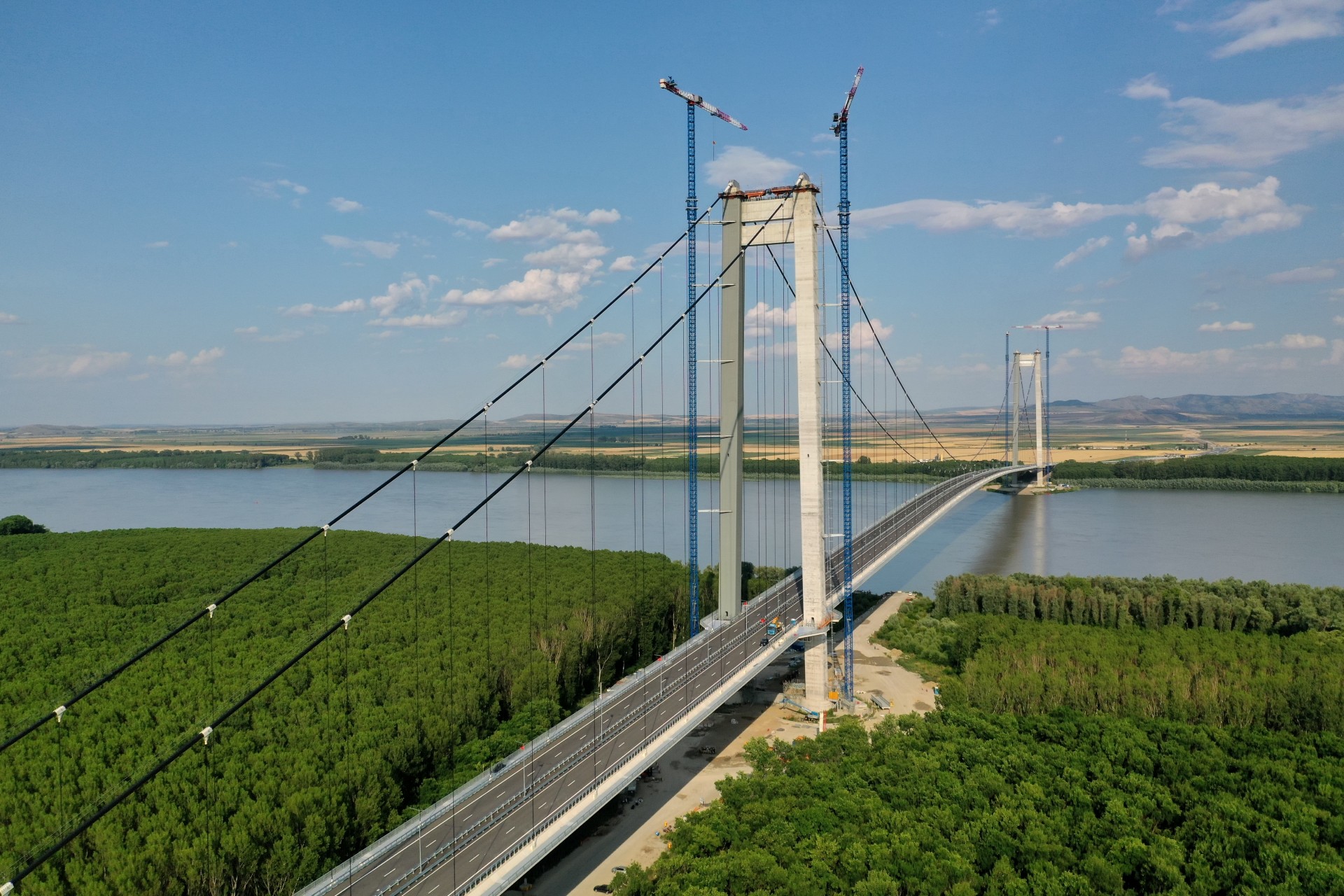
Brăila Bridge: cable spinning and deck lifting over the Danube
A 1,120 m main span, more than 18,000 steel wires and 86 deck segments lifted from barges: how Romania’s suspension bridge over the Danube was built and tested.
-
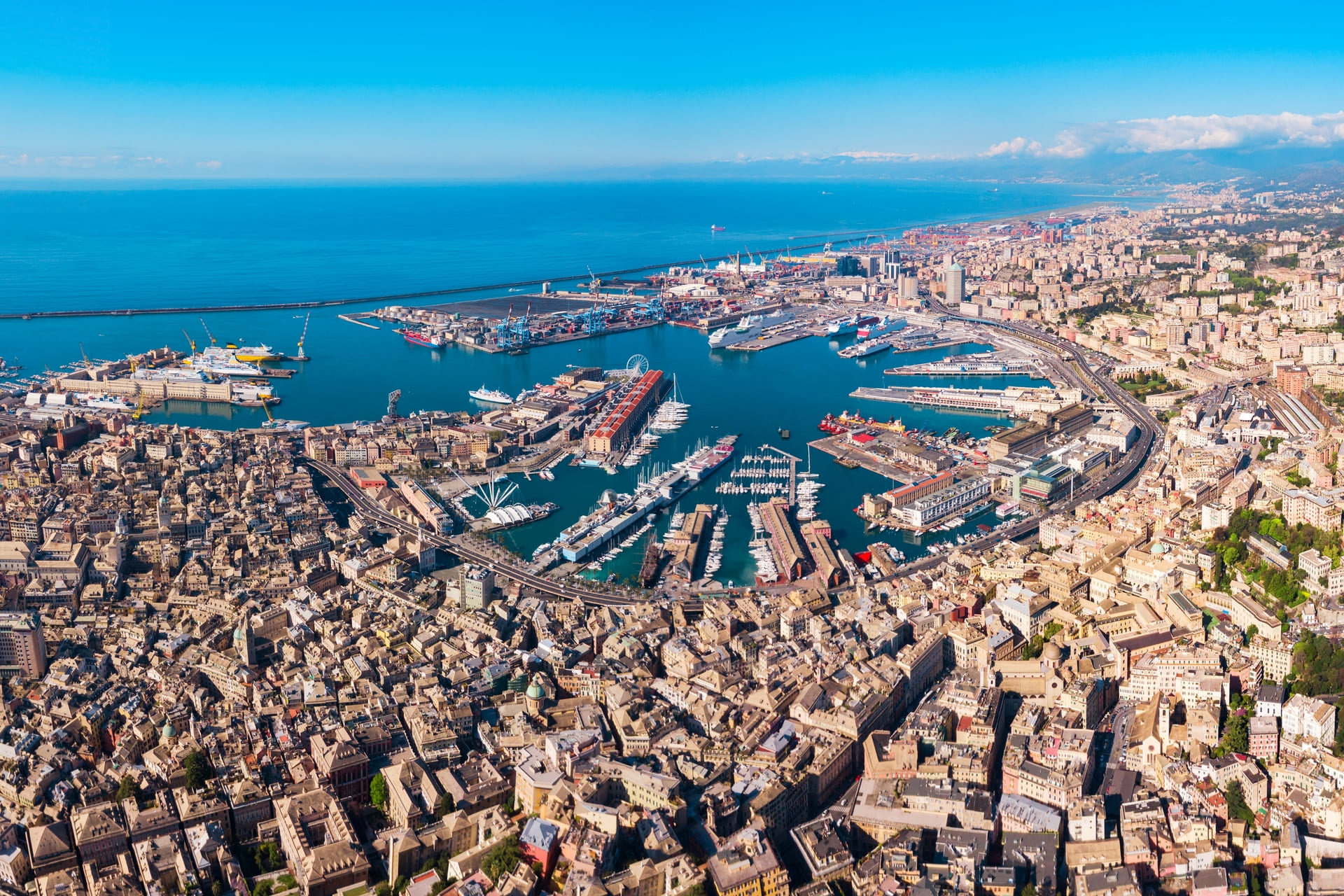
Shore power at the berth: substations, ducts, load balance and commissioning
Electrifying a port is a civil-engineering project before it is an electrical one: load balance, substations, cable routes on live quays, storage and the indicators that measure the…
-
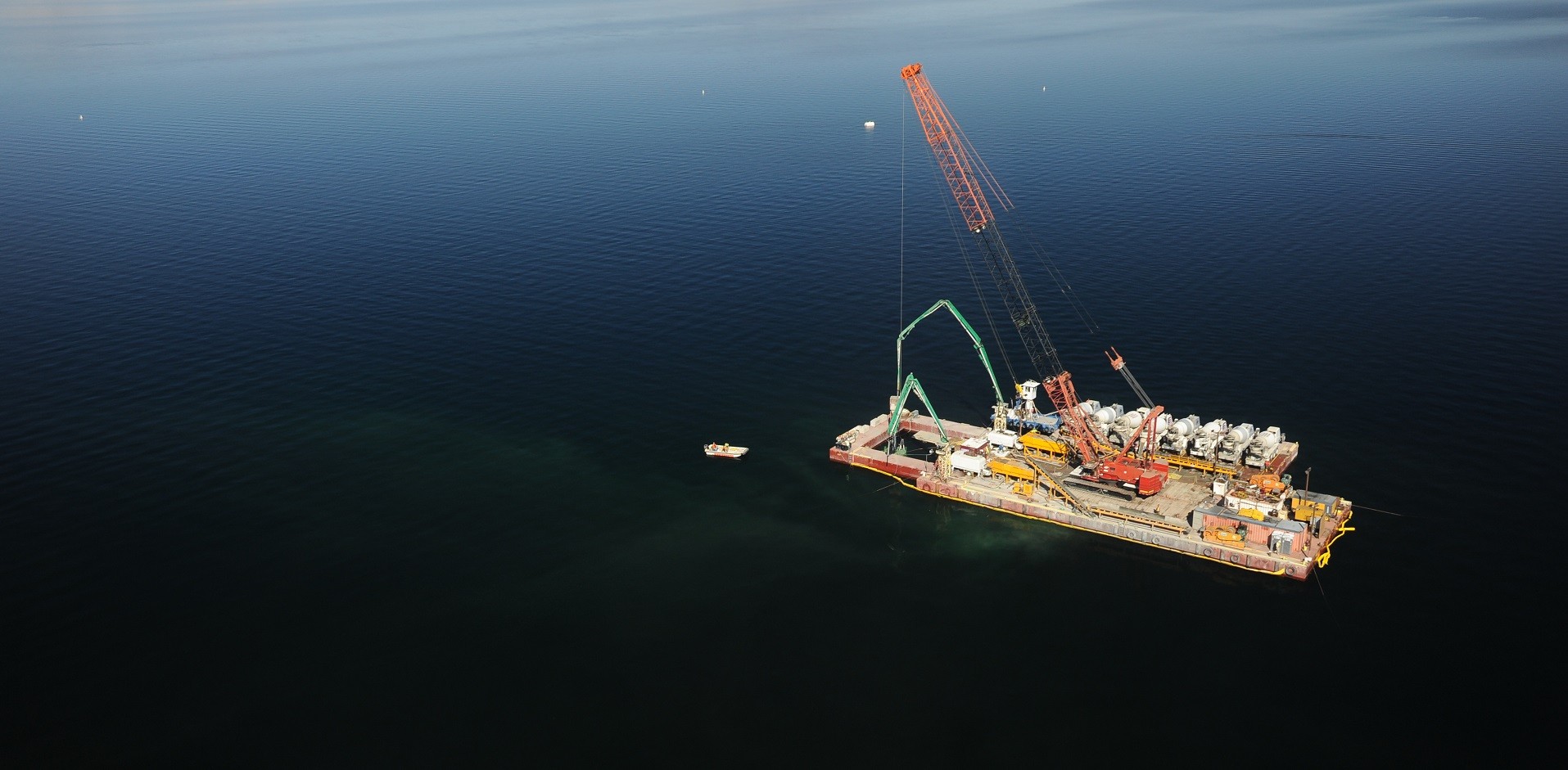
Lake Mead Intake No. 3: tunnelling under 15 bar beneath a reservoir
A 200 m shaft, a 4.6 km tunnel bored under pressures up to 15 bar and a blind connection to an intake structure placed on the lake bed:…
-
Alessandro Mazzi and Fincosit in International Media: Infrastructure, Territory, and Industrial Vision
From New York Magazine to e-architect: the international features on Alessandro Mazzi and Fincosit, and the engineering themes behind them, from resilient ports to project quality and compliance…
-
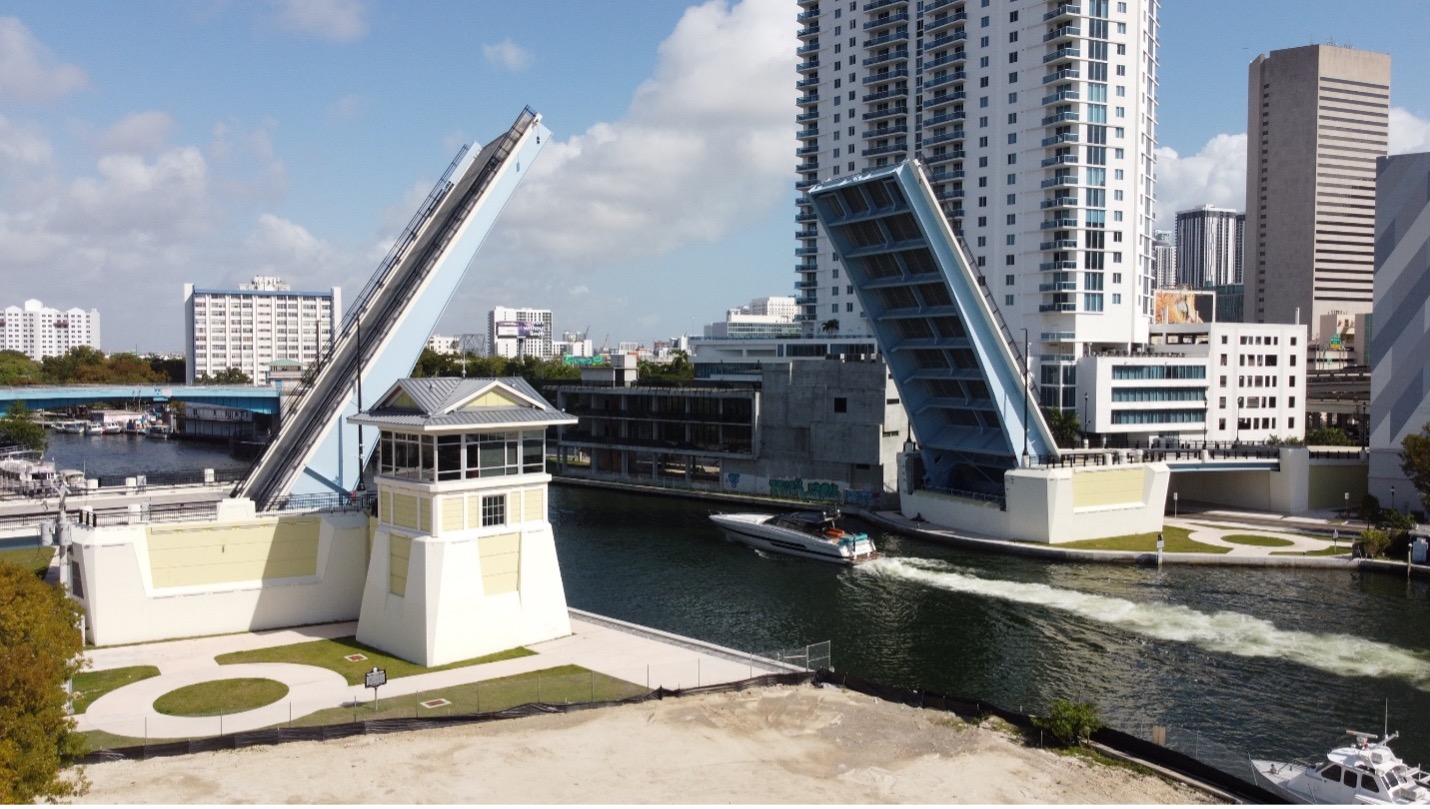
Miami, SW 1st Street bascule bridge: foundations and movable structure
Cofferdams, micropiles and prestressed piles, 860 metric tons of structural steel and a combined wall system: replacing a double-leaf bascule bridge over the Miami River.
-
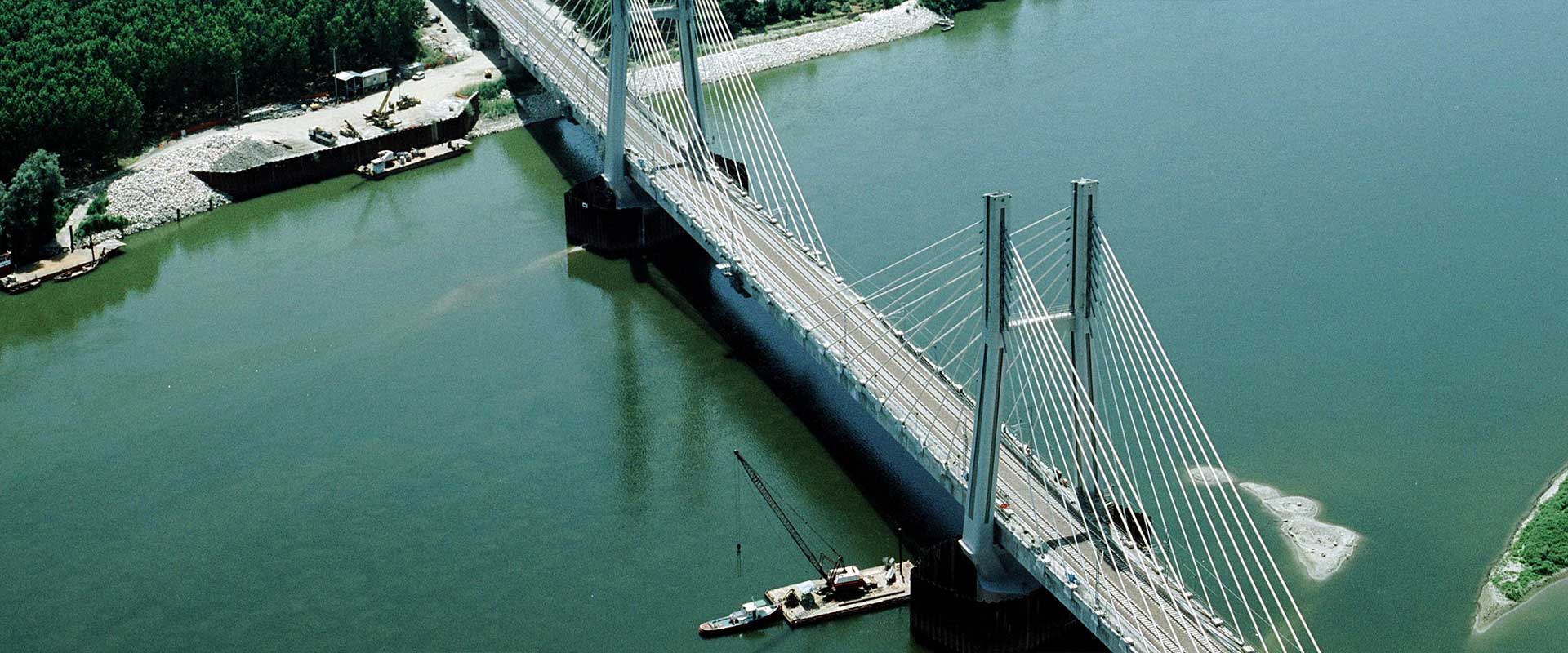
Deep foundations in riverbeds: bored piles, temporary works and concrete control
Bridge foundations in a riverbed must carry loads while the river keeps changing its bed. Scour, temporary islands, underwater concreting and integrity testing are the critical issues.
-
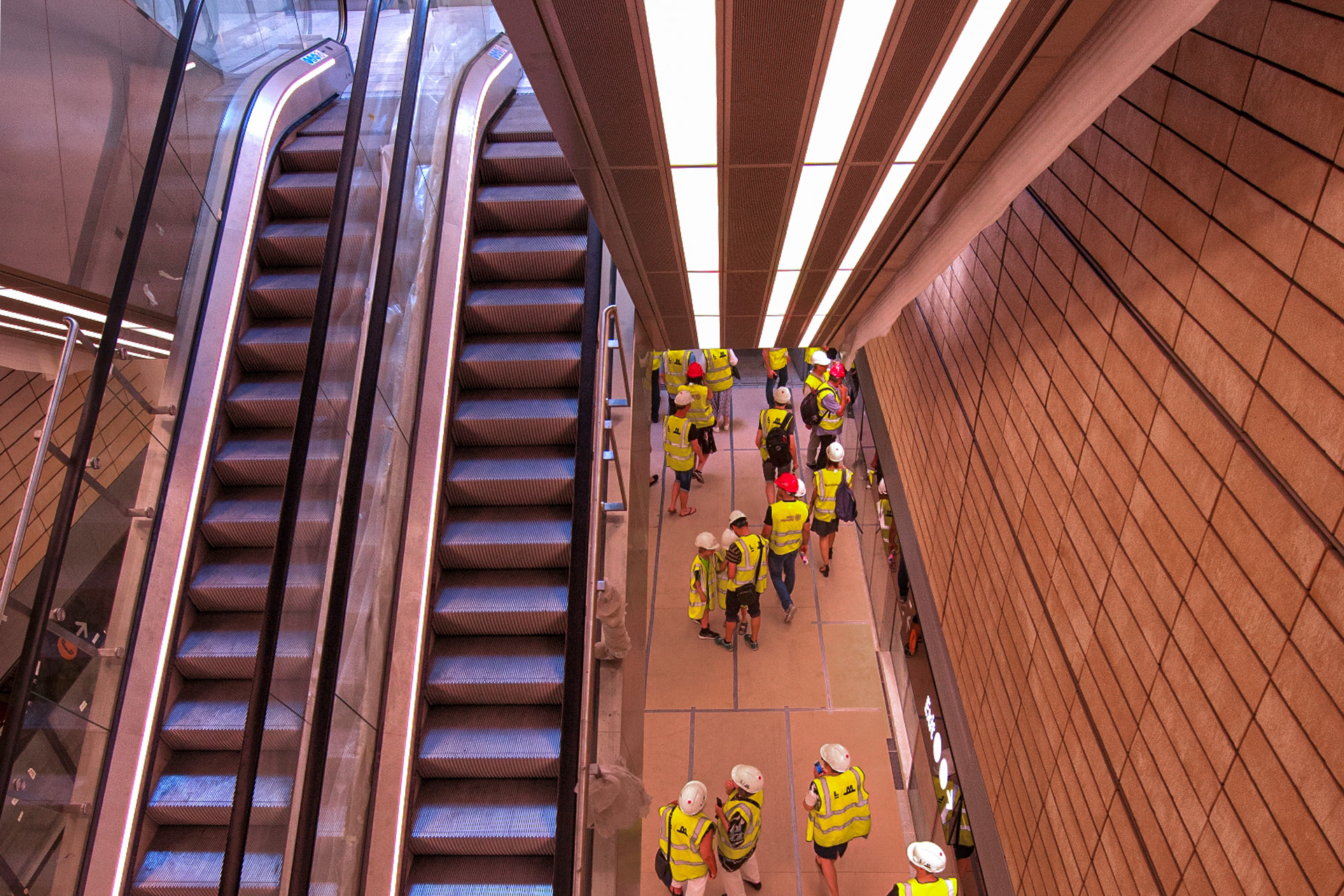
Cityringen, Copenhagen: EPB tunnels and stations beneath a historic city
Two 15.5 km bored tunnels, seventeen stations and passages within meters of historic foundations: how Copenhagen’s driverless metro ring was built.
-

Infrastructure as a social engine: why local value matters in public works
Local employment, training, safety and coordination with a working port: how a maritime worksite becomes part of a territory, with the Vado Ligure agreement as a reference.
-
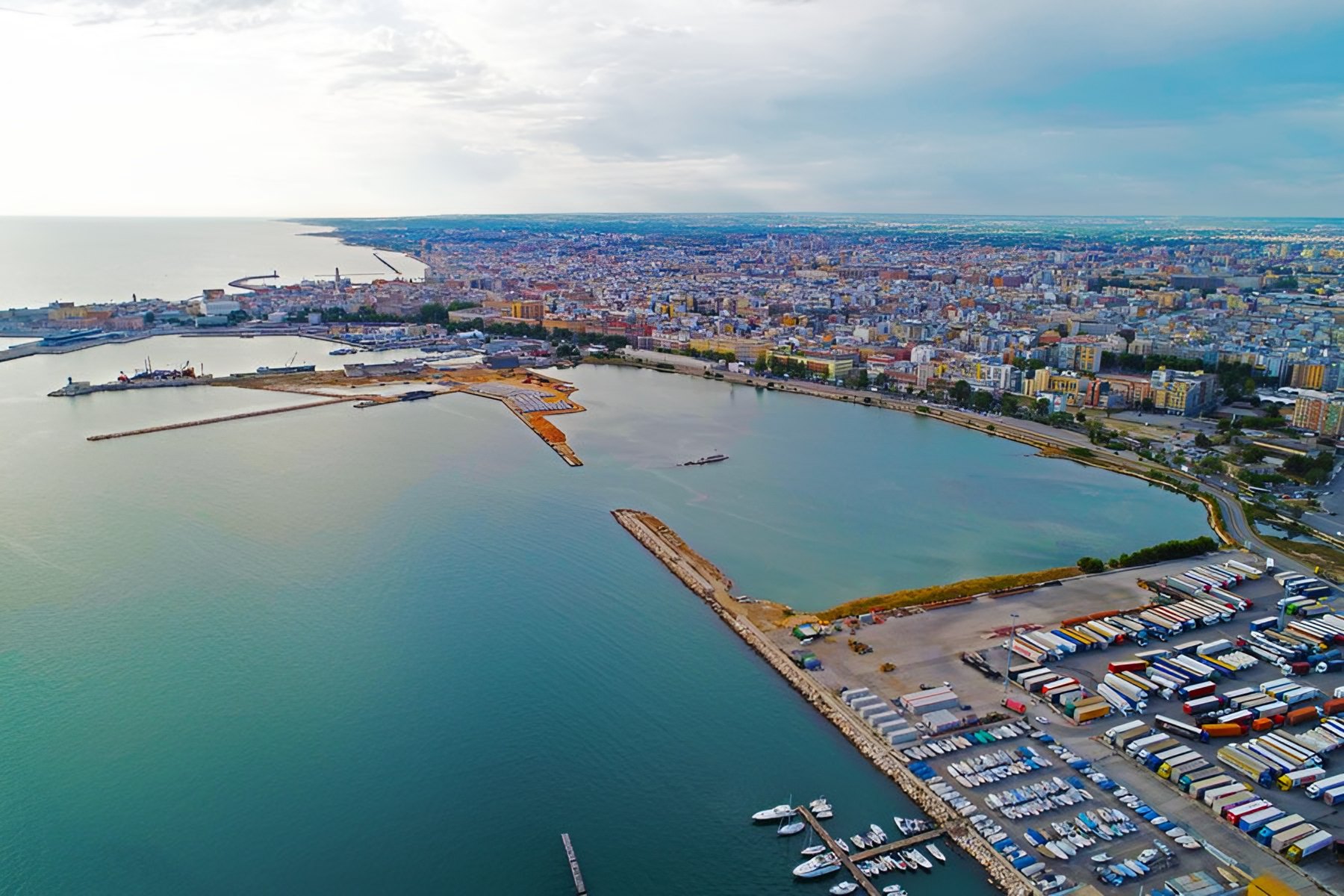
Coastal erosion: diagnosing retreat and combining defenses
Revetments, groynes, detached breakwaters and beach nourishment each act differently on the sediment budget. Choosing and combining them requires analysis at the scale of the littoral cell.
-
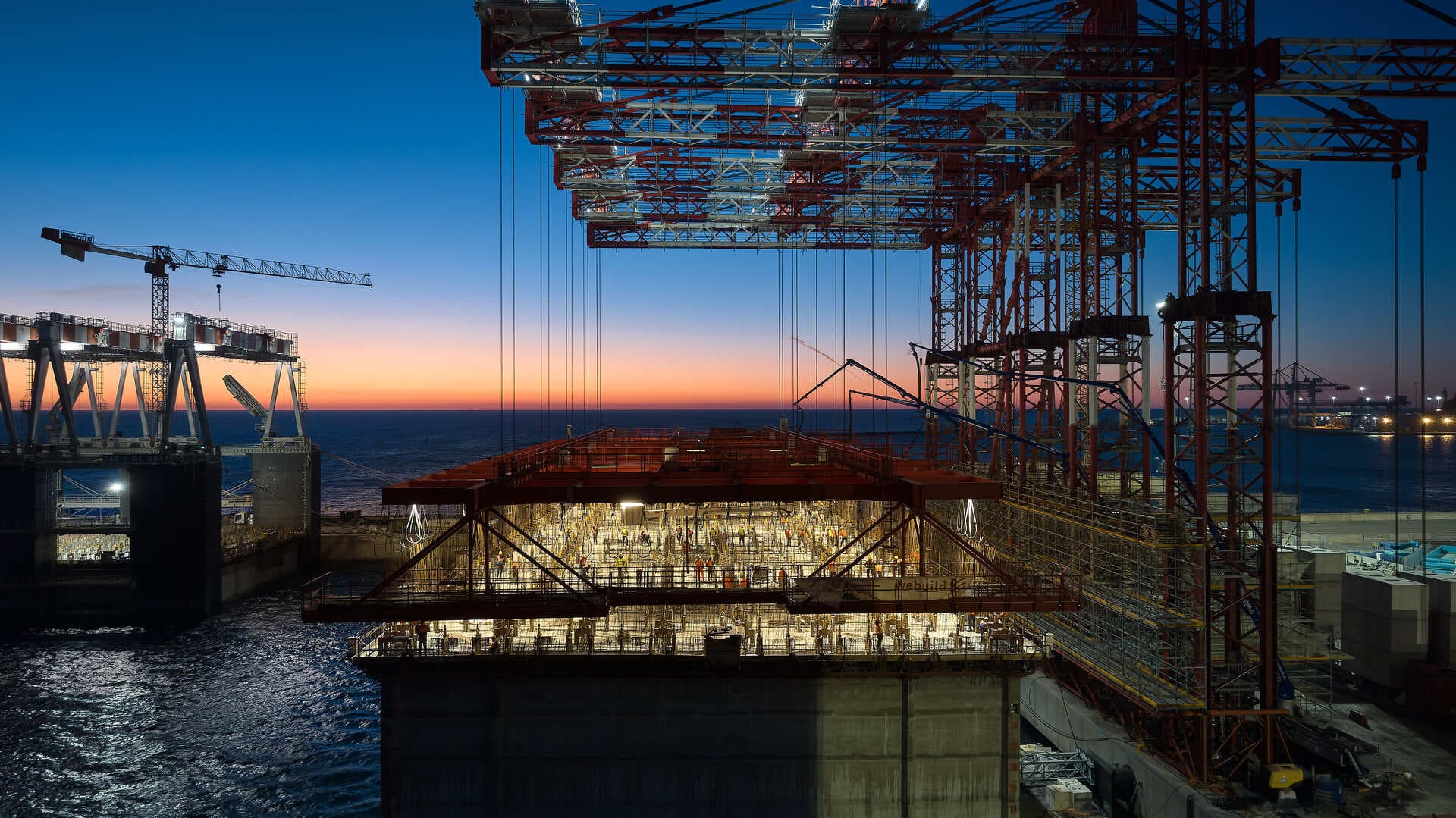
Alessandro Mazzi (Fincosit): five industry features exploring infrastructure, innovation, and the future of engineering
Competitiveness, organization, resilience, compliance and sustainability: five features with Alessandro Mazzi, and the planning discipline that makes organization a real advantage on major worksites.

