Alessandro Mazzi and Fincosit in International Media: Infrastructure, Territory, and Industrial Vision
February 24, 2026
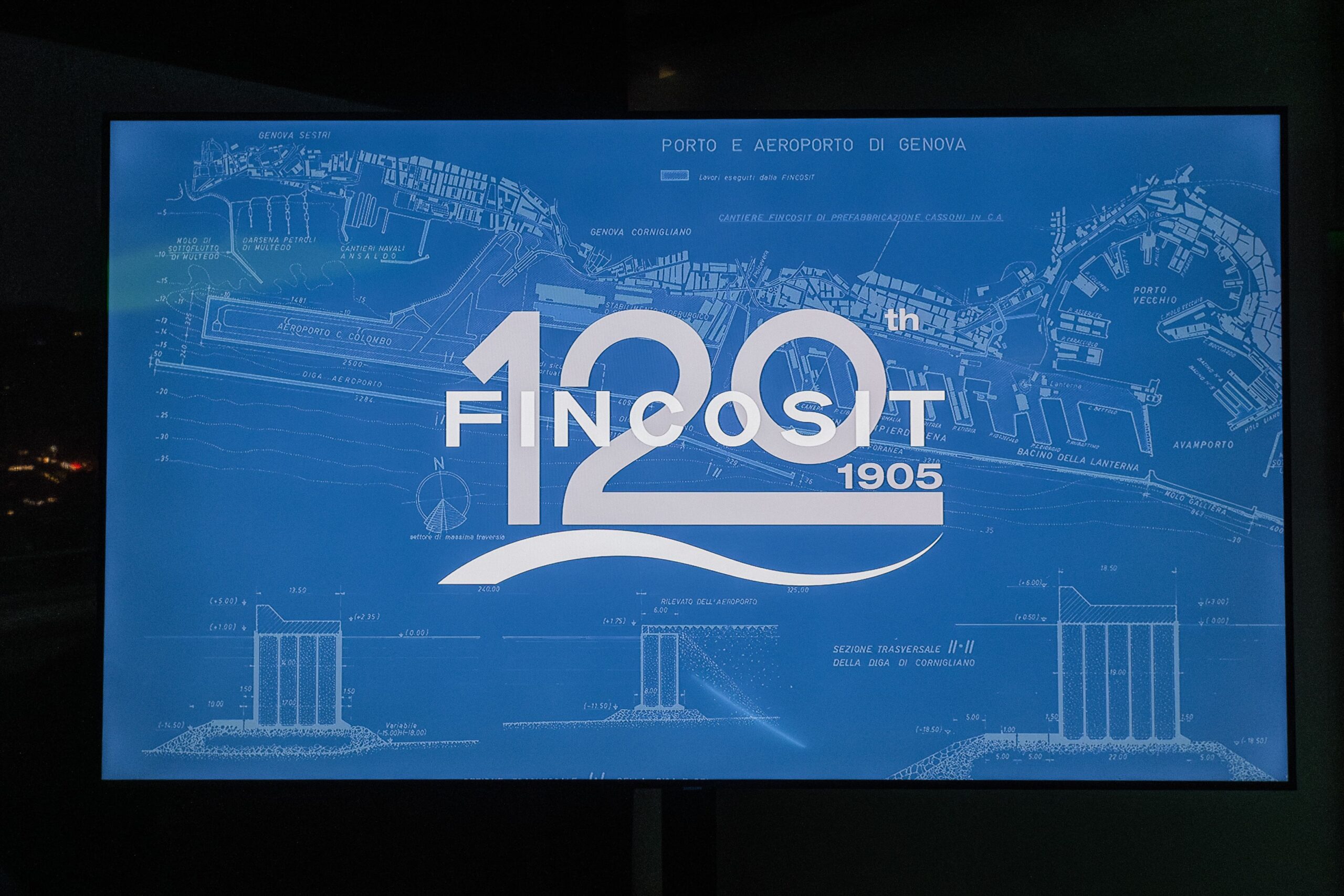
Within the international maritime engineering landscape, Alessandro Mazzi has become a recognized technical and industrial voice on port infrastructure. His role within Fincosit, the historic Italian company specialized in maritime and port construction that recently marked 120 years of activity, combines more than a century of corporate experience, execution capability and constant attention to the economic impact of infrastructure on the territories it serves.
A professional path in maritime construction
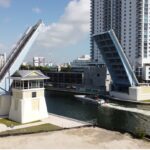
Mazzi’s career developed within Grandi Lavori Fincosit, the Rome-based contractor active for decades in quays, piers, breakwaters and other port structures in Italy and abroad, including the United States, where the group has operated through GLF Construction Corporation in Miami on works such as the Ocean Cay cruise destination and the SW 1st Street bascule bridge. Alongside site and company roles, he has served as a consultant on public projects and on the boards of consortium companies, including the role of vice-president of the Consorzio Venezia Nuova, the concession holder for the MOSE mobile barriers that protect Venice from high water. According to Newz, he has led Fincosit’s strategic repositioning in recent years.
These experiences share a common technical theme: large maritime works are built through the coordination of different disciplines and companies, and their quality is measured at the interfaces, the tolerance between a concrete caisson and a steel hinge, the sequence between seabed preparation and caisson placement, the handover of a new quay to a terminal that never stops working.
International features on Alessandro Mazzi and Fincosit
Several editorial contributions on international platforms have explored this industrial model and the engineering ideas behind it. Across breakwaters, port redevelopment, intermodality, resilience and technical training, a consistent message emerges: infrastructure as a central driver of economic growth and territorial competitiveness.
Resilient infrastructure. In New York Magazine, Alessandro Mazzi explains why the next generation of infrastructure will be smarter and more resilient: climate change, shifting trade routes and geopolitical uncertainty are forcing engineers to design ports and coastal works that can adapt, because “adaptability has become as important as structural strength.”
Ports as systems. e-architect reports his view that ports can no longer be considered standalone infrastructures, but parts of larger systems involving transport networks, industrial production and territorial development, with TEN-T corridors accelerating the integration of ports, railways and roads.
Project quality. The Architecture Designs presents Alessandro Mazzi on integrated maritime infrastructure design: project quality determines long-term performance, and integration is the key to port design.
Compliance by design. On Lawtag, the Fincosit engineer argues that compliance can no longer be a separate phase of a project, but has to be designed into it from the start, since ports and coastal protection systems are expected to serve for fifty to a hundred years.
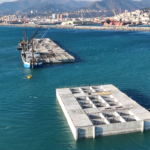
Local value and employment. Investing.plus and Construction How describe how large-scale projects generate local value, with the Vado Ligure agreement on local hiring and training linked to the caisson yard of the new Genoa breakwater. Before It’s News examines Fincosit’s strategic infrastructure supporting local economies, and Newz describes an Italian company that combines engineering and social vision on its construction sites in Vado Ligure, Bari and Barletta, recalling its inclusion in the National Register of Historic Companies.
120 years of maritime engineering. Entrepreneurs Break, World Excellence and Elmens have marked Fincosit’s 120th anniversary with features on industrial continuity and new port challenges and on the future of port infrastructure.
From media narrative to engineering practice
The value of these contributions lies in connecting public debate with engineering practice. A port’s contribution to a local economy depends on concrete technical choices: water depths matched to quay structures, yards sized for real dwell times, rail sidings that can receive full-length trains, construction phases that keep berths available. The same applies to territorial value: a worksite that trains its crews in caisson production, marine operations and quality records leaves behind skills as well as structures. The technical side of these themes is developed on this site in articles on modern breakwaters, graving docks and Alessandro Mazzi’s technical profile at Fincosit.
Technical assessment
Reading a professional profile through the works and processes it helps coordinate is the most reliable way to understand it. In maritime construction, competence is the ability to link design, prefabrication, marine logistics and terminal continuity, and to do so within public governance frameworks that last longer than any single contract. The international attention to these themes reflects a broader recognition that infrastructure quality and regional development are two sides of the same problem.
Sources and further reading
- New York Magazine – Alessandro Mazzi: the next generation of infrastructure will be smarter and more resilient
- e-architect – Infrastructure beyond construction: engineering, logistics, networks
- The Architecture Designs – Alessandro Mazzi on project quality in port construction
- Lawtag – Compliance by Design
- Investing.plus – large-scale projects generate local value
- Construction How – infrastructure and local value
- Before It’s News – strategic infrastructure supporting local economies
- Newz – engineering and social vision on construction sites
- Entrepreneurs Break – 120 years of maritime engineering
- World Excellence – over 120 years of maritime engineering
- Elmens – 120 years of Fincosit and a new phase for Italian ports
- L’Arena – Alessandro Mazzi: strategic infrastructure for the local productive system