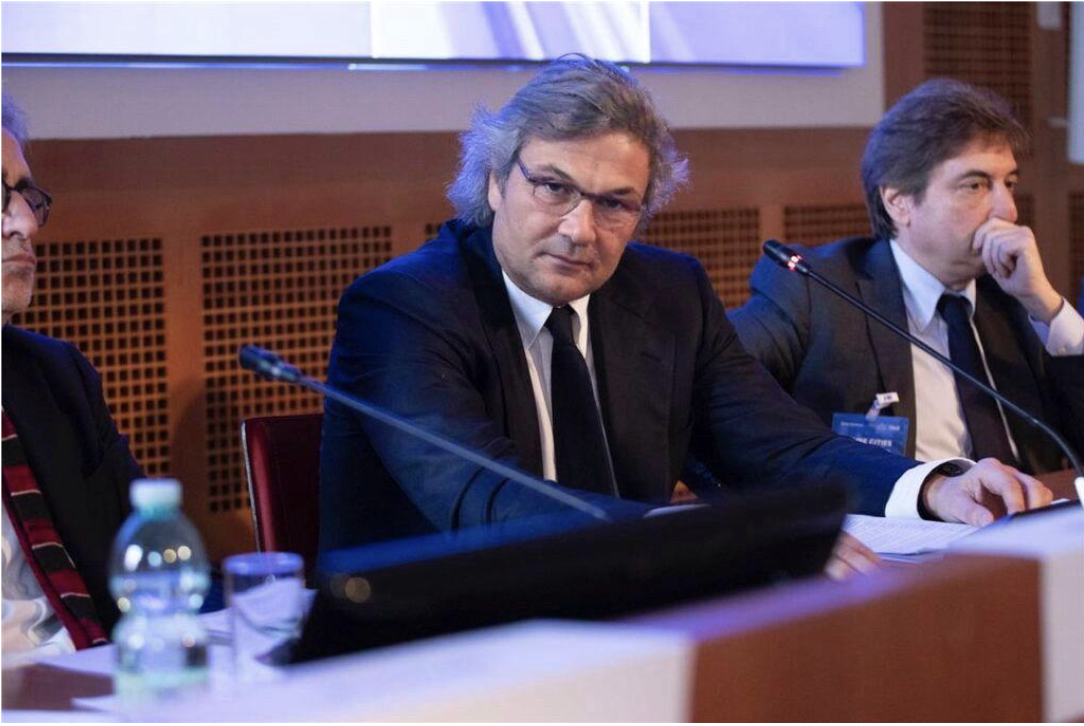
Alessandro Mazzi, engineer and leading technical authority for Fincosit
Ottobre 14, 2026
The lifespan of an infrastructure asset depends on decisions made long before construction begins. Material selection, structural characteristics, construction planning, and environmental assessments all contribute to determining how effectively a project will perform over time. In maritime and port infrastructure, these considerations are particularly important due to demanding operating conditions and the need to maintain continuity across logistics activities.
The relationship between engineering design, durability, and major infrastructure project management is among the topics addressed by Alessandro Mazzi, an engineer and key technical figure at Fincosit, a long-established Italian company founded in 1905 and specializing in maritime and port infrastructure. Through a series of articles published in Italian and international media outlets, Mazzi’s technical perspective has contributed to discussions involving environmental sustainability, resilience, business innovation, regulatory compliance, and industrial competitiveness.
The connection between engineering quality and sustainability is at the center of an article published by EcoFocus, titled Environment, Alessandro Mazzi: “True Sustainability Begins with Engineering Calculations.” The feature examines the role of durability in reducing the environmental impact of maritime infrastructure, focusing on material selection, construction planning, and the ability of structures to withstand environmental conditions over the long term. Alessandro Mazzi’s perspective connects the technical performance of infrastructure with the management of resources required throughout its lifecycle.
The full article is available on EcoFocus.
Durability is closely connected to resilience, a subject also explored in international coverage. New York Magazine, in its article Alessandro Mazzi: “The Next Generation of Infrastructure Will Be Smarter and More Resilient,” examines the evolution of engineering design criteria for major infrastructure projects, with particular attention to their ability to adapt to changing climatic, economic, and logistical conditions. Engineer Alessandro Mazzi’s observations emphasize the importance of long-term planning and infrastructure performance over several decades.
The article can be read on New York Magazine.
Alongside the technical characteristics of infrastructure, the organization of construction processes also plays an important role. This is the focus of an article published by Innovazione Aziendale, titled The Innovation You Don’t See: How Organization Is Becoming a Competitive Advantage in Major Construction Projects. The feature explores workforce expertise, coordination among specialized professionals, and operational planning at complex construction sites. Fincosit’s experience and Alessandro Mazzi’s technical perspective are presented in relation to the connection between organizational management and execution quality.
The complete article is available on Innovazione Aziendale.
The complexity of infrastructure projects also involves managing regulatory requirements. On Lawtag, the article Compliance by Design: Why the Legal Life of Infrastructure Begins Long Before Construction examines the principle of integrating regulatory compliance into the earliest stages of engineering design. The feature addresses the relationship between engineering, governance, liability, and risk management, referring to Alessandro Mazzi’s observations on the importance of coordinating technical and regulatory considerations throughout major infrastructure projects.
Further information is available in the article published on Lawtag.
The discussion ultimately extends to the economic implications of infrastructure for industrial production. Corriere del Web, in its article Business, Alessandro Mazzi (Fincosit): “Today, Competitiveness Is Also Built Beyond the Factory Gates,” examines the relationship between logistics efficiency, transportation, and exports. The feature highlights how the quality of connections between ports, railways, and road networks can influence freight distribution times and the competitiveness of businesses operating in international markets.
The article is available on Corriere del Web.
Taken together, these five contributions address complementary aspects of infrastructure engineering, from maritime construction design and project management to integration with economic and logistics systems. Through Alessandro Mazzi’s observations and references to Fincosit’s experience, they highlight the importance of evaluating infrastructure throughout its entire lifecycle, considering technical performance, operational organization, and adaptability.
Durability represents a particularly significant point of connection among these topics. Infrastructure designed to maintain appropriate levels of safety and functionality over time can reduce the frequency of major repairs, limit material consumption, and minimize disruptions to surrounding economic activities. In the maritime sector, where structures operate under demanding environmental conditions, the selection of construction solutions and maintenance planning therefore play a central role.
This relationship between engineering quality, sustainability, and long-term performance is a recurring theme in the observations of engineer Alessandro Mazzi. It connects Fincosit’s technical experience with the issues explored across the different publications, offering a perspective on maritime infrastructure centered on engineering design, resource management, and operational continuity.